Bridging the Digital Divide: Insights from the Frontlines of APAN61
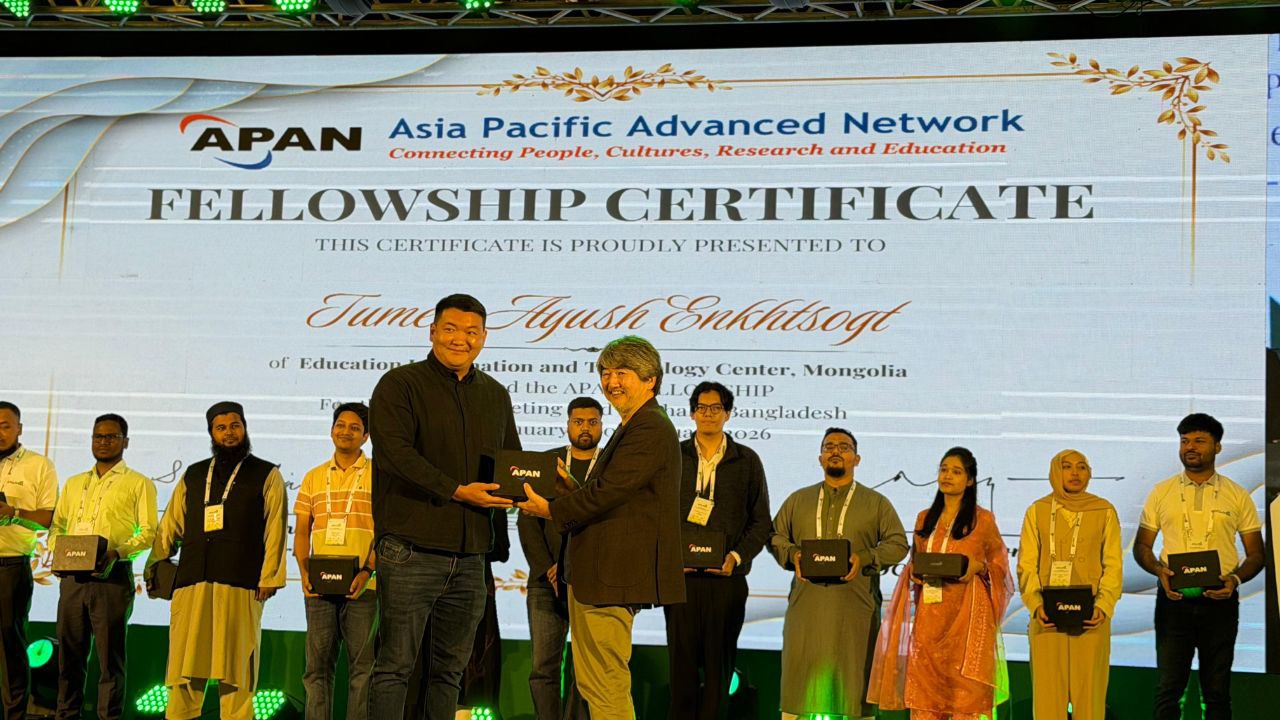
By Tumen-Ayush Enkhtsogt Delegate, ERDEMNET (Mongolia) DHAKA, Bangladesh —
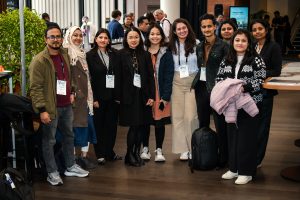
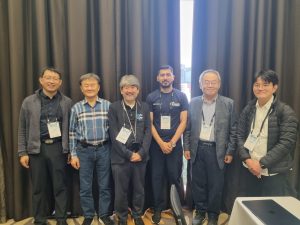
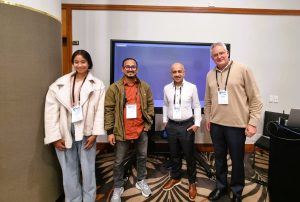
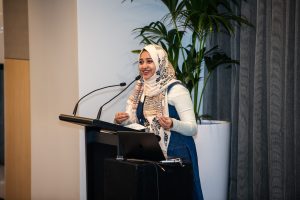
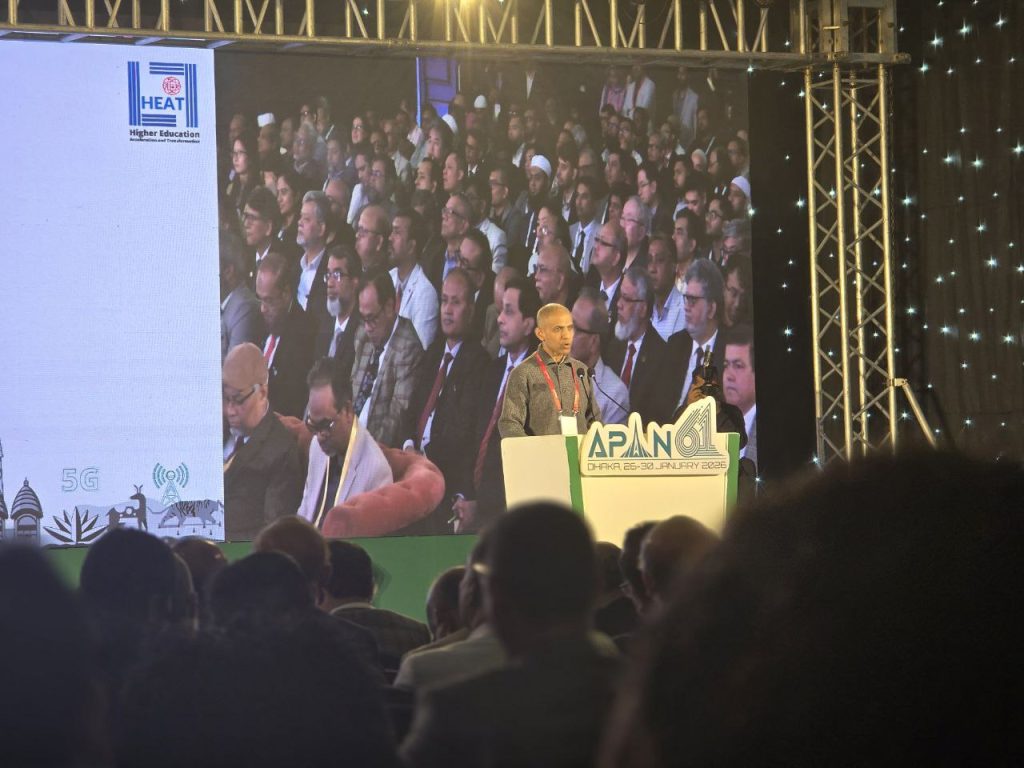
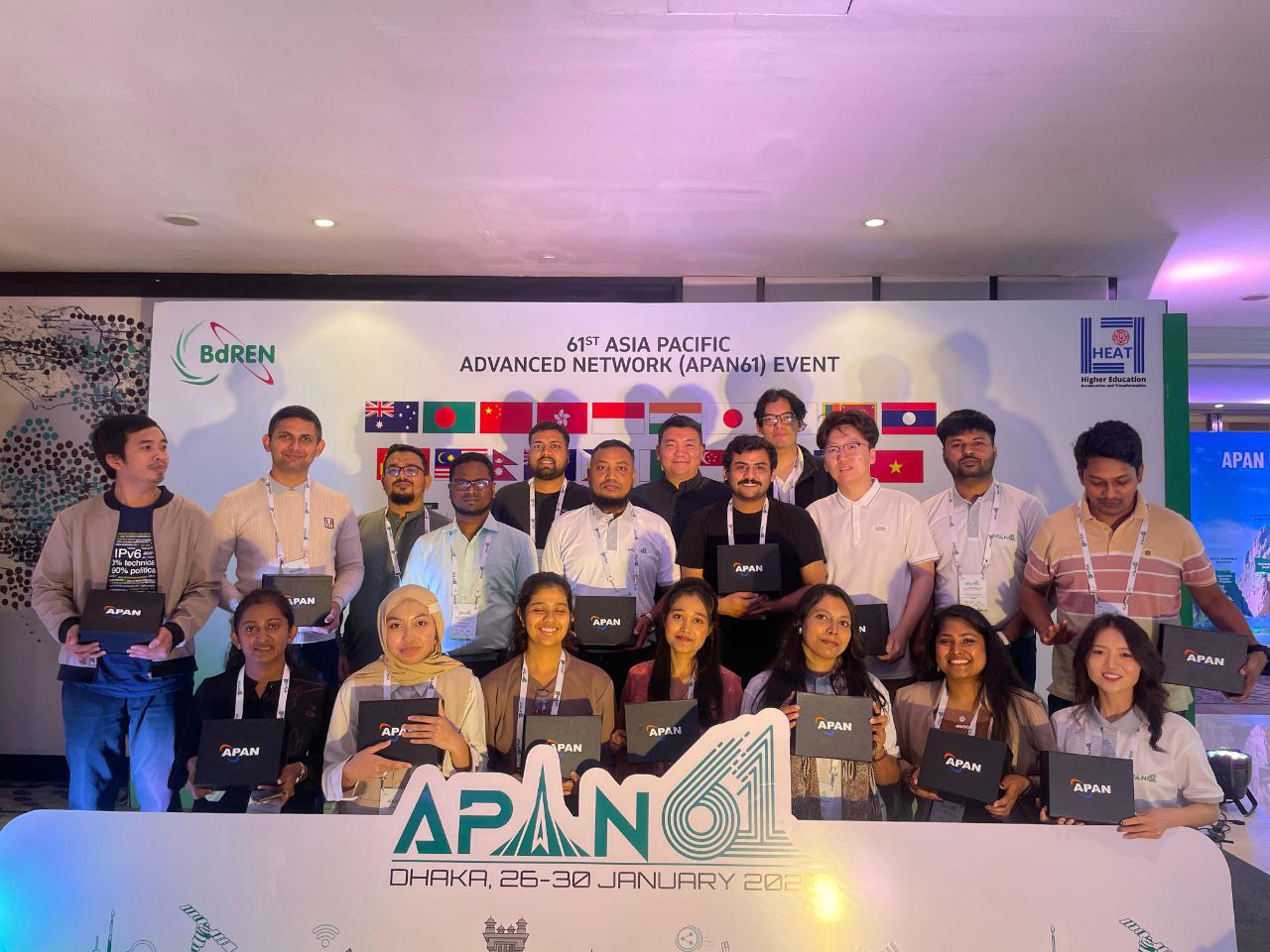
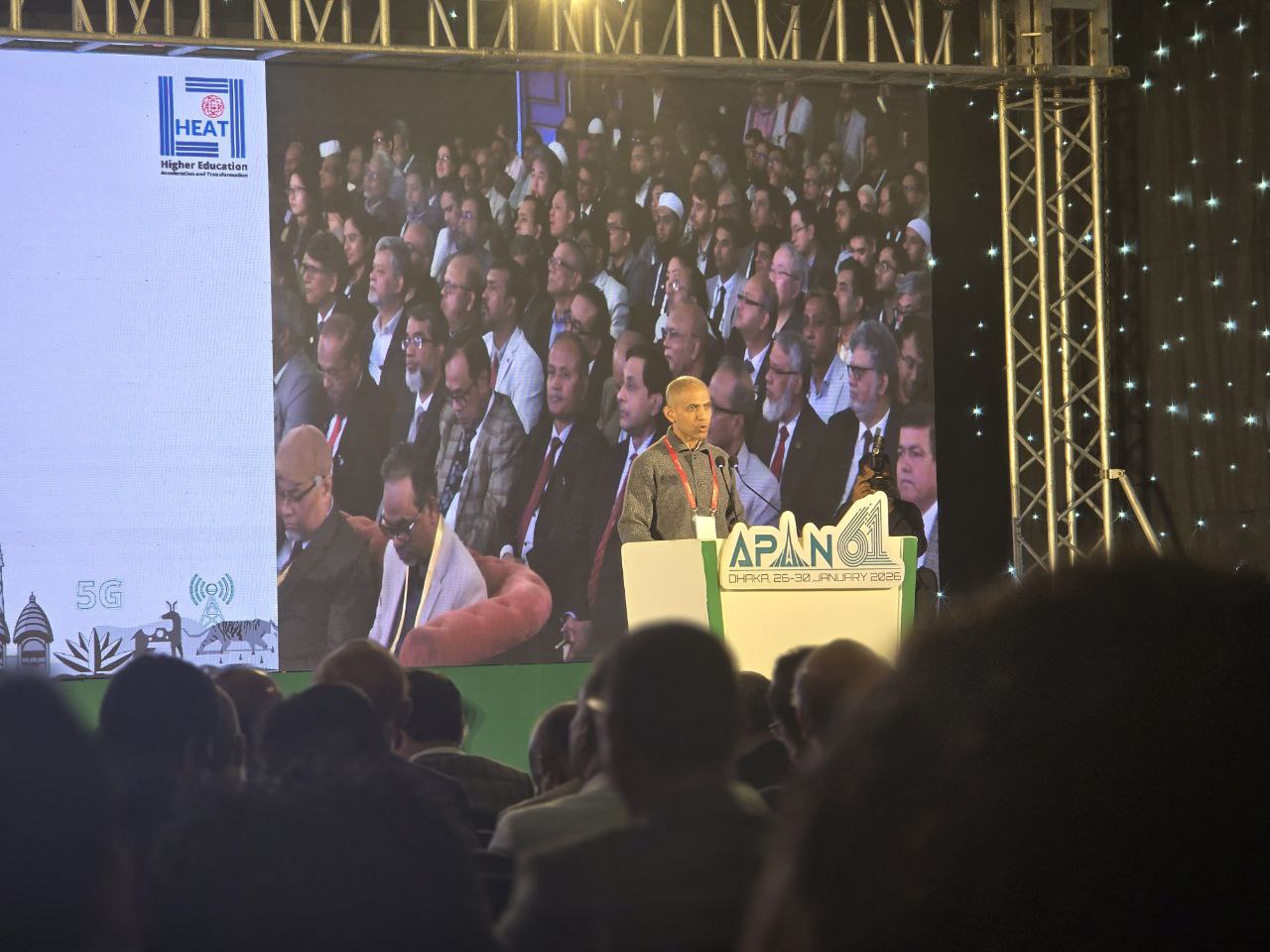
From January 26 to 30, the bustling capital of Dhaka transformed into a nexus for digital innovation as the Bangladesh Research and Education Network (BdREN) hosted the 61st Meeting of the Asia Pacific Advanced Network (APAN61).
As one of three delegates selected to represent Mongolia’s ERDEMNET, I arrived with a mission to explore the intersection of education and technology. I left with a blueprint for the future.
A Masterclass in Logistics
The tone of the conference was set the moment we touched down. In a display of organizational excellence, BdREN officials executed a seamless welcome, expediting visa protocols with diplomatic efficiency. The logistical framework—from synchronized shuttle services to the strategic choice of Le Méridien as the venue—rivaled top-tier international summits.
Notably, the organizers bridged the gap between physical and digital management through the ORBIT mobile app. This custom-developed tool did not just schedule events; it optimized the flow of thousands of interactions, proving that user experience is paramount in tech governance.
The Exchange: Beyond Borders
More than a series of lectures, APAN61 served as a crucible for cross-border collaboration. The conference floor became a melting pot where veteran researchers and emerging leaders traded not just success stories, but the hard-won lessons of failure.
The transparency regarding systemic hurdles was refreshing. By sharing how different nations navigated their unique infrastructure challenges, the delegates moved beyond theoretical discussions into practical, battle-tested solutions.
The Core Mission: AI and Universal Education
My primary objective in Dhaka was clear: to investigate how Artificial Intelligence (AI) and Machine Learning (ML) can democratize access to quality education. The summit provided a front-row seat to the future of pedagogy. Discussions centered on moving beyond basic connectivity to utilizing AI for personalized learning pathways. A pivotal development was the announcement of a new Education Working Group. Recognizing the strategic importance of this initiative, I spent significant time analyzing the operational frameworks of existing working groups to prepare for active contribution in this new arena.
A Nuanced Reality
One of the most profound takeaways was the realization that there is no monolithic solution to the digital divide. Network conditions are inextricably linked to a nation’s geography, population density, and legacy infrastructure.
What works for the dense urban fabric of Dhaka may not apply to the vast steppes of Mongolia. The conference underscored that while the technology may be universal, the management strategies must be bespoke. Effective digital transformation requires local nuance.
The Road Ahead for Mongolia
Returning to Mongolia, the mission transitions from observation to implementation. My commitment to ERDEMNET and our national education sector involves three key pillars:
1. Strategic Integration: actively participating in the APAN Education Working Group to bring global best practices home.
2. Capacity Building: forming a high-caliber local team to drive the adoption of AI-driven educational tools.
3. Knowledge Sovereignty: ensuring that we not only consume global technology but adapt it to create positive, measurable outcomes for Mongolian students.
APAN61 was not just a conference; it was a catalyst. The connections made in Dhaka have laid the groundwork for a more connected, intelligent, and accessible educational future for Mongolia.

Author: Tumen-Ayush Enkhtsogt, Erdemnet