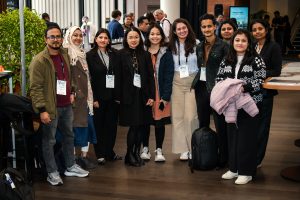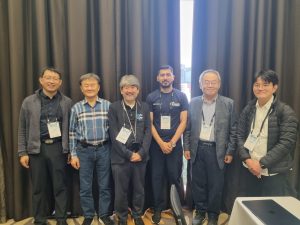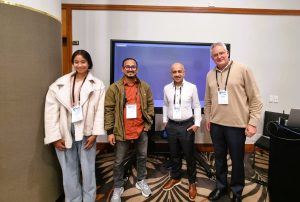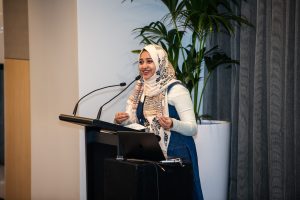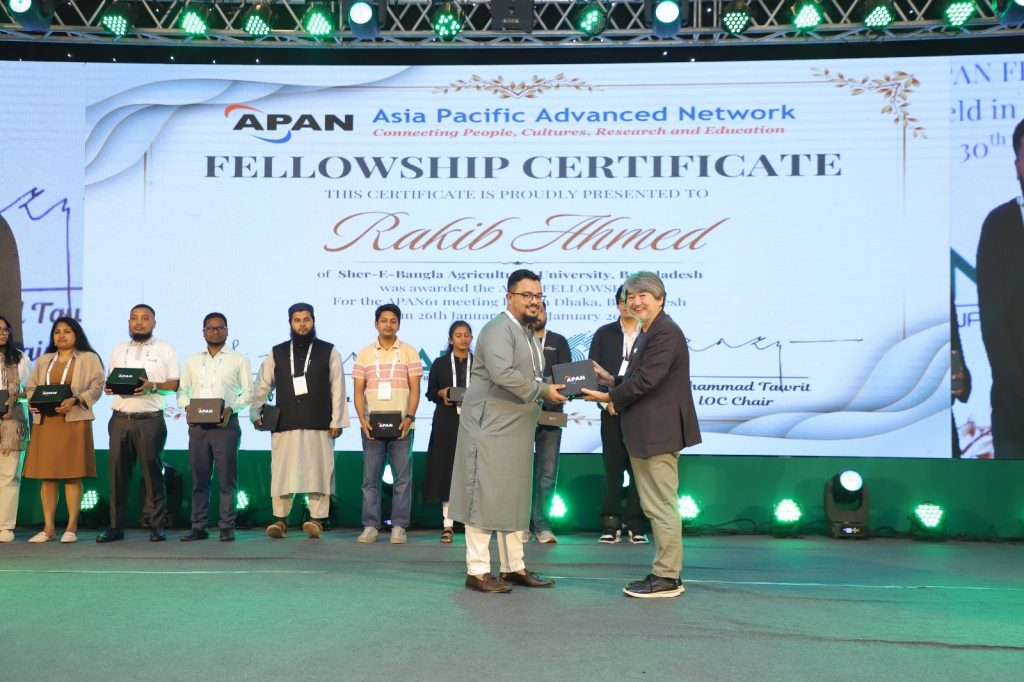
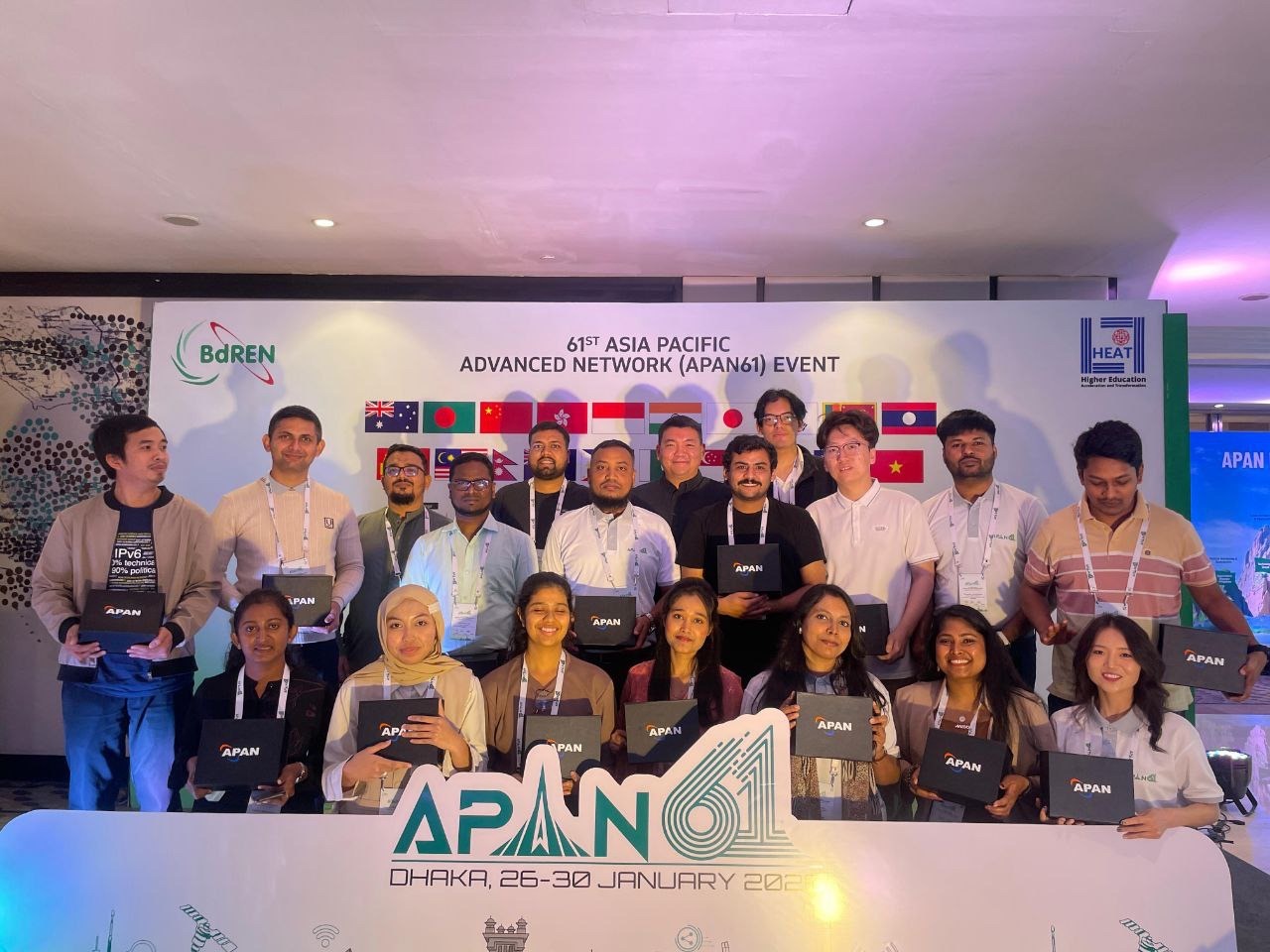
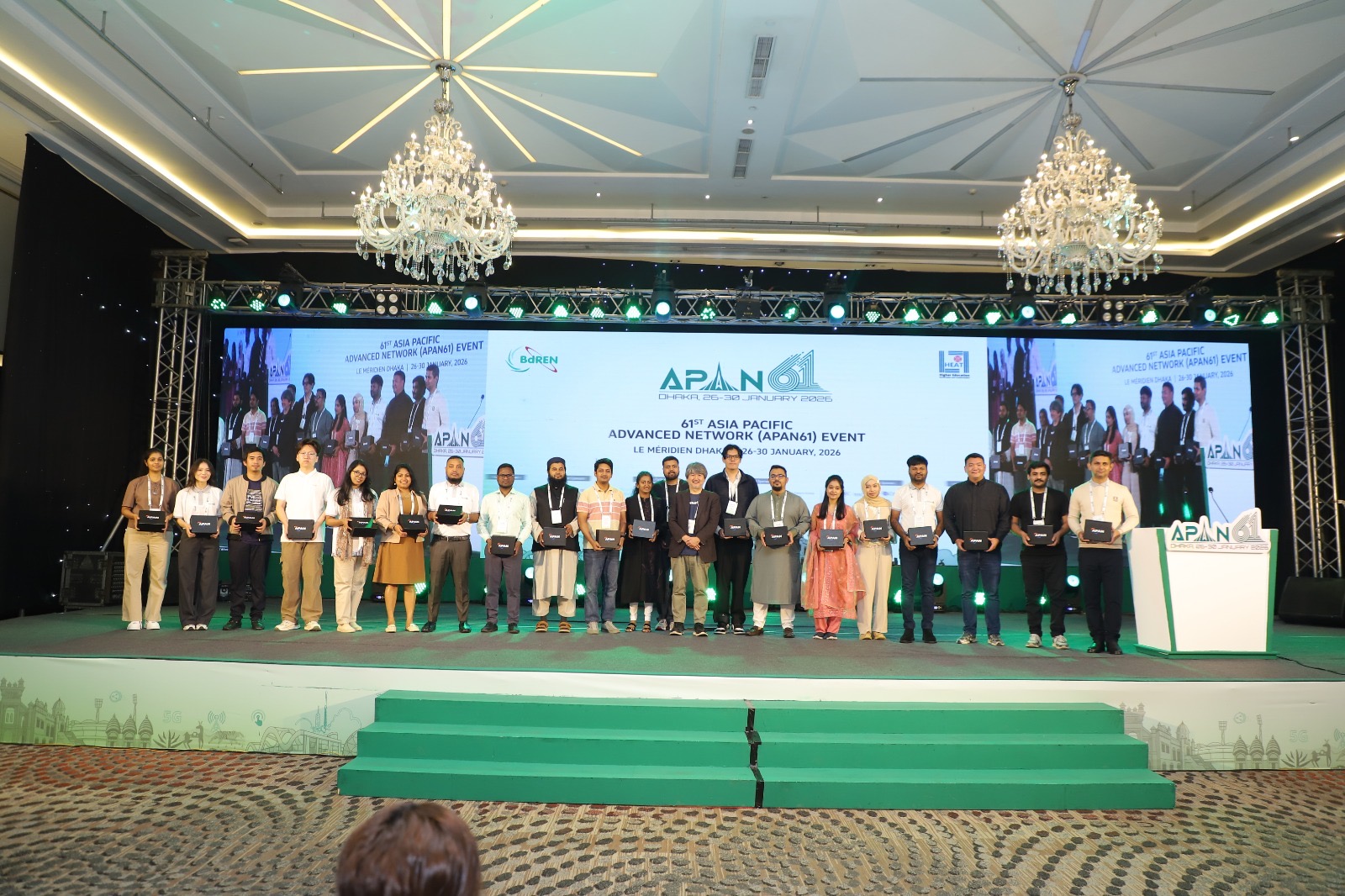
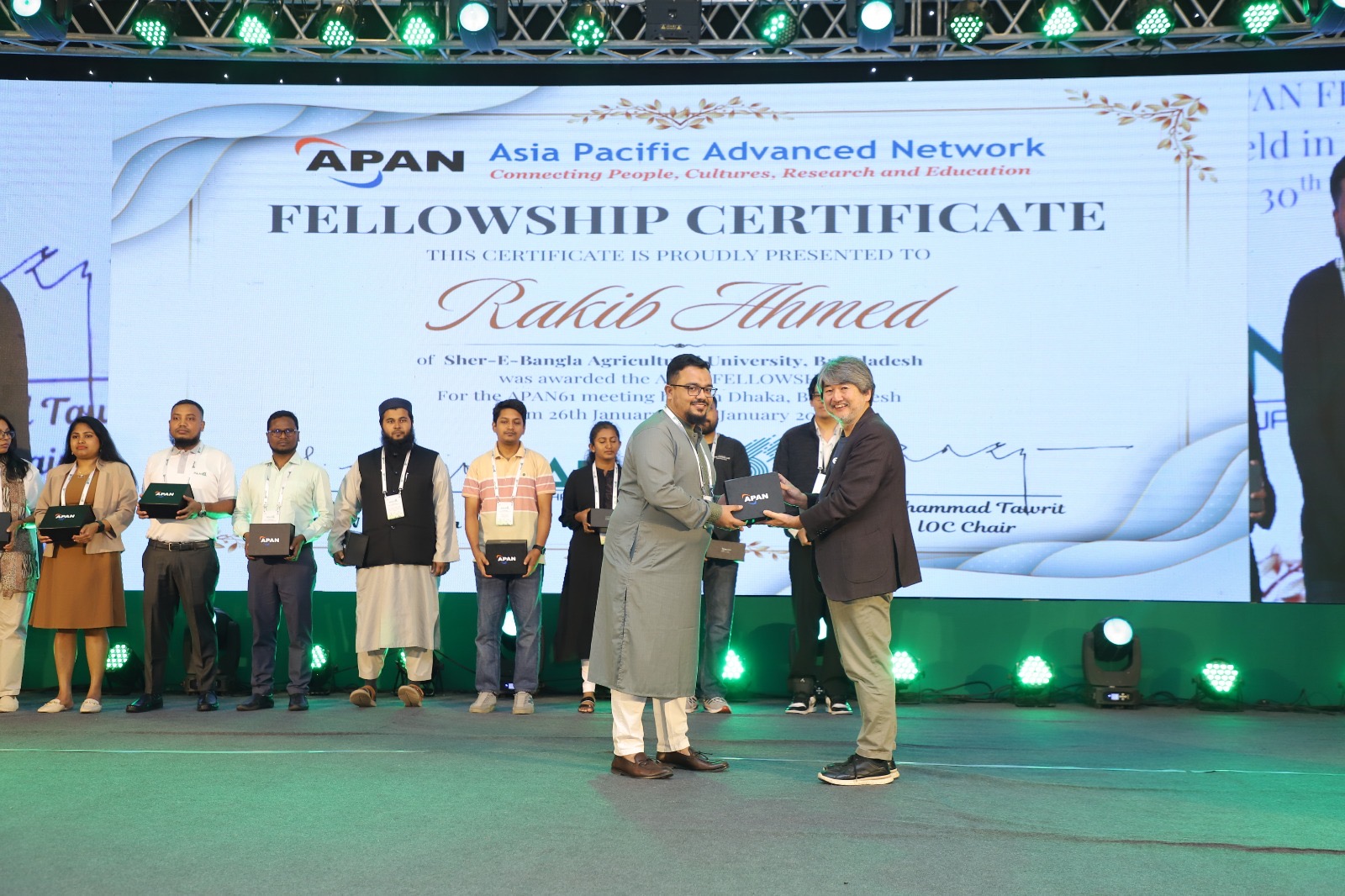
Participating in APAN-61 as a Fellow has been a truly meaningful and inspiring experience for me. Being part of such a dynamic and diverse technical community provided far more than conference exposure—it created opportunities for learning, collaboration, and professional growth. I am sincerely grateful to the Asia-Pacific Advanced Network (APAN) Secretariat for selecting me as a Fellow and for creating a platform that connects researchers, engineers, and innovators across the region.
The fellowship experience allowed me to better understand the spirit of APAN—where knowledge sharing, community engagement, and regional cooperation come together to strengthen research and education networking. It reinforced the idea that being an APAN Fellow means not only participating in sessions, but also carrying new ideas, skills, and collaborative visions back to our own institutions and communities.
I would also like to express my heartfelt appreciation to Bangladesh Research and Education Network (BdREN) for hosting APAN-61 so wonderfully. The outstanding organization, warm hospitality, and vibrant local arrangements made the event both memorable and impactful.
APAN Fellowship Meeting
I attended the fellowship orientation session, where I gained a concise understanding of the vision and collaborative role of the Asia-Pacific Advanced Network (APAN). The session highlighted how APAN connects research and education communities across the Asia-Pacific region, fostering innovation, knowledge exchange, and regional cooperation. It strengthened my appreciation of how collaborative networking initiatives play a crucial role in advancing sustainable technological and academic development.
SIG : Internet Governance – National Data & Digital Policies and Internet Fragmentation
I attended this informative session where NREN leaders and stakeholders discussed how national regulations across Bangladesh, Sri Lanka, Nepal, Bhutan, China, Pakistan, and South Korea influence Internet openness and cross-border research collaboration. The session compared existing policies on data localization, platform regulation, encryption, identity management, and telecom/cloud governance to identify areas contributing to Internet fragmentation.
Key discussions focused on technical, governance, economic, and user-experience risks affecting research and education networks, including data transfer restrictions, compliance barriers, and service accessibility challenges. NRENs shared practical mitigation approaches such as adaptive routing, federated access models, and strategic data-hosting practices. The session concluded with a strong emphasis on regional cooperation, shared policy understanding, and coordinated engagement with regulators to support an open and resilient research and education Internet ecosystem.
Security Workshop
One of the most impactful workshops I attended was the security workshop chaired by Jamie Gillespie, held on the 26th and 29th. The first session provided an in-depth overview of Distributed Denial-of-Service (DDoS) attacks, covering their various types, operational impact on networks, and practical mitigation strategies. The discussion also explored security threats against the Confidentiality, Integrity, and Availability (CIA) triad, highlighting real-world countermeasures and incident response approaches essential for protecting research and education infrastructures.
In the follow-up session, the focus shifted to Email and DNS security from a client-side perspective. The workshop addressed common vulnerabilities, authentication mechanisms, and best practices to strengthen user-level protection against phishing, spoofing, and DNS-related threats. Overall, the sessions were highly informative, combining theoretical understanding with practical security insights applicable to operational network environments.
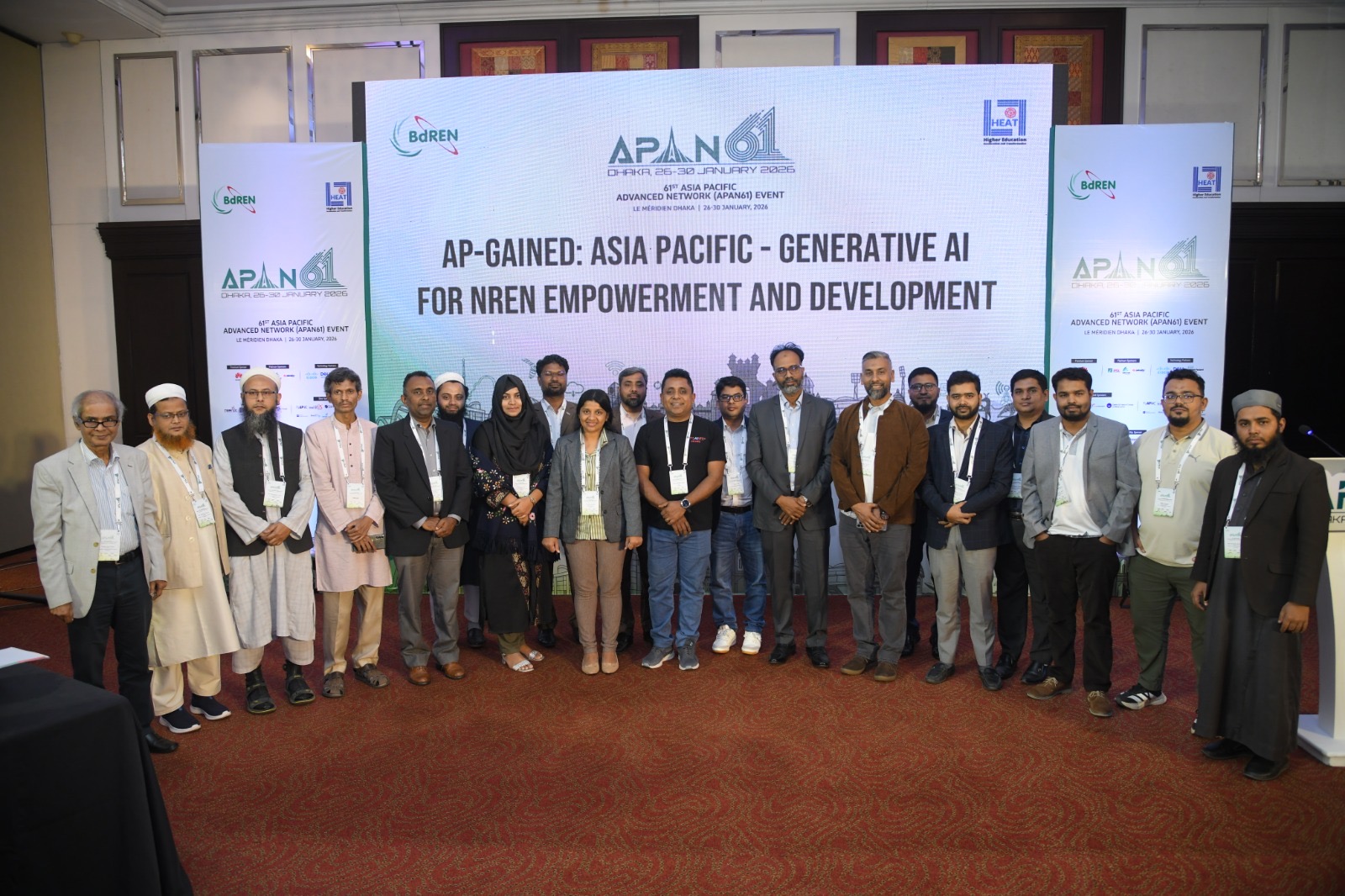
AP-GAINED GenAI Workshop by LEARN
One of the most valuable components of my fellowship participation was attending the Generative AI (GenAI) Workshop Series conducted during the APAN program. Over two days, from 28–29 January 2026, I actively participated in six comprehensive sessions designed to strengthen the capacity of National Research and Education Networks (NRENs) through the practical adoption of GenAI technologies. The workshop was hosted by LEARN and chaired by Asitha Bandaranayake, with technical sessions delivered by Roshan Ragel and Gayani Herath.
The sessions emphasized hands-on learning and practical implementation of GenAI across technical operations, finance, administration, and outreach activities within NRENs. Through interactive exercises and real-world use cases, I developed practical skills in AI-assisted automation, data analysis, and workflow optimization, demonstrating how GenAI can significantly improve institutional efficiency and service innovation. The workshop also fostered regional collaboration and knowledge exchange among NREN professionals, strengthening a shared vision for AI-driven digital transformation in research and education infrastructures. Participation in this workshop greatly enhanced my technical capacity and positioned me to contribute to advancing AI adoption, operational efficiency, and innovative service development within my institution and the broader NREN community.
SOI ASIA Next Generation Internet Engineer session
Another session that made a significant impact on my learning experience was “Designing Learning Paths for the Next Generation Internet Engineers: Collaboration among RENs, Universities, NOGs, Industry, and Learning Communities (SOI)”. This session introduced me to regional capacity-building initiatives such as SOI Asia and APIE, highlighting how collaborative educational ecosystems are shaping future Internet professionals. The discussion emphasized that across the Asia-Pacific region, universities, Research and Education Networks (RENs), Network Operator Groups (NOGs), industry partners, and community learning platforms already offer numerous training programs; however, these opportunities are often viewed by students and early-career engineers as isolated activities rather than parts of a continuous learning pathway. Building on conversations from “Participating in the Internet: Internet Governance for Everyone (SOI Asia)” at APAN60, the session explored how coordinated collaboration, information sharing, and talent mobility across communities can create structured career development paths. The concept of connected learning environments particularly resonated with me, as it provides inclusive opportunities for students from universities outside major urban centers to progressively develop technical skills, engage with professional communities, and transition effectively into the global Internet engineering ecosystem.
BGP Watch Session
Another highly practical session I attended focused on hands-on training of the BGPWatch platform, delivered by project partners from BdREN. The session provided network engineers and operators with experience-based instruction on utilizing BGPWatch, a collaborative platform designed for Border Gateway Protocol (BGP) routing analysis, monitoring, and diagnosis. During the training, participants learned how to onboard institutional Autonomous System (AS) networks into the platform and continuously monitor BGP-related events, including routing anomalies, prefix visibility, and potential operational issues affecting network stability. The knowledge-sharing segment featured practical deployment experiences from partner NRENs, including KISTI, NepalREN, LEARN, and PERN, who shared real-world operational use cases and lessons learned from production environments. This session enhanced my understanding of collaborative network monitoring approaches and demonstrated how proactive BGP analysis can improve routing reliability, incident response, and overall NREN infrastructure resilience.
Author: Rakib Ahmed, Sher-E-Bangla Agricultural University