Connect and Collaborate: APAN58 Enhances Networking for Fellows
In Pakistan, both undergraduate and postgraduate students have traditionally struggled and faced challenges to connect with global researchers, professionals, experts, and industry leaders across various educational sectors on a unified platform. These barriers have often limited their exposure to international perspectives and collaborative opportunities.
However, the recent successful hosting of APAN58 by the Higher Education Commission marks a significant breakthrough in addressing these challenges. This high-caliber networking event has made substantial progress in bridging the gap between Pakistani academia and the global research community. This initiative enhances academic and professional connections but also represents a major milestone in fostering global networking opportunities within Pakistan’s educational landscape.
The Pakistan Education and Research Network (PERN) is making strategic investments in productive conferences to enhance its research capabilities across several key areas, including networking, machine learning, prompt engineering, generative AI, and both software and hardware engineering. This proactive approach is set to bolster Pakistan’s global standing and accelerate its technological and educational progress.
In a parallel development, the Global Knowledge Index has highlighted significant advancements for Pakistan in the information and communication technology (ICT) sector. The country has risen to 109th place in the ICT rankings, marking a positive shift with a score of 29.66.
In today’s rapidly evolving digital landscape, Artificial Intelligence is transforming various educational sectors. To stay ahead of these advancements, it is essential to bolster educational initiatives that equip the next generation of professionals with the necessary skills for the modern technological environment to conduct these type of conference. Meanwhile, Collaborative efforts among universities, industries, and international networking organizations—such as APAN, APNIC, Asiaconnect, and GEANT—are crucial in addressing the skills gap and preparing leaders for the future.
Key Insights from the APAN58 meeting
A recent example of such initiatives is the 58th Asia-Pacific Advanced Network Meeting, hosted by PERN, a flagship project of the HEC. The five-day event, held in the vibrant heart of the federal capital (Islamabad) from August 25 to 30, 2024, provided a valuable platform for technological and academic professionals.
APAN58 unites experts across academia and innovation
The selected researchers and speakers grasped the conductive opportunity to present their research papers in their respective session and also key notes speakers had engaged in discussion sessions to provide the valuable knowledge regarding strengthening the networking and fostering collaboration in Pakistan.
The recently concluded conference offered a rich agenda, including workshops, presentations, panel discussions, working and special interest groups that covered various sessions in different academia areas such as networking, agriculture, medical, cybersecurity, e-culture, disaster mitigation and GenAI for NREN Empowerment. This diverse array of topics provided participants with a broad perspective and exposure on various topics.
During the opening ceremony, Dr. Mukhtar Ahmed, Chairman of the Higher Education Commission (HEC), emphasized the significance of the APAN58 conference. He noted that the event plays a crucial role in providing young networking researchers with valuable opportunities to stay informed about the latest technological advancements.
Chairman Senate Mr. Yousuf Raza Gilani also addressed the participants “Pakistan’s partnership with APAN and investment in this sector are anticipated to create new avenues for education and networking in remote areas, particularly for marginalized communities.
APAN58 highlights
The APAN58 meeting provided a comprehensive platform for impactful discussions and collaboration, bringing together international key speakers to offer solutions aimed at enhancing networking and advancing technology in their respective fields.
Firstly, the working groups provide a space for researchers, academics, network engineers, and policymakers to engage in discussions about technical advances. These working groups cover various topics.
Secondly, the meetings facilitate crucial technology discussions among NRENs, such as IPv6 and 5G WG, AI driven networks working group (AINWG), special interest group (SIG): Marketing & Communications and others.
Huawei’s smart tech: revolutionizing education networks
Huawei, a major partner of the event, delivered an in-depth presentation on the Intelligent Education Campus Network, with a focus on Huawei Cloud-Enabled Education Digital Innovation and the F5G Green Intelligent Campus Network, offering solutions to enhance educational networking.
The presentation engaged participants by demonstrating how digital transformation, particularly through the adoption of smart Wi-Fi technologies, can revolutionize education systems. If Pakistan embraces these technologies, it could significantly improve the education system by enabling smart classrooms and fostering digital learning environments.
One of the central activities of APAN58 is hosting social dinners for attendees, designed to highlight and celebrate Pakistani culture. A key feature of the event is the cultural night, which aims to present Pakistan’s peaceful image to the APAN community and international scholars.
APAN58 achieves significant milestones
In an exclusive interview with The Big Picture, Fawad Raza, a key member of the local organizing committee, shared insights into the success of the event.
Fawad Raza, Deputy Director of the HEC, emphasized that the recently concluded APAN58 conference marked a notable success in connecting international scholars, speakers, and researchers with local communities and students. This enhanced connectivity effectively bridged the gap between professionals, industry leaders, and students, fostering a more integrated academic environment.
Raza highlighted that APAN58 was the largest well-organized conference ever hosted by HEC in Pakistan. Despite facing numerous logistical and technical challenges, the team organized adeptly managed transportation, hotel arrangements, and flight issues, ensuring a smooth and welcoming experience for all delegates.
Looking ahead, Raza disclosed future plans, revealing that the PERN is considering the establishment of local APAN chapters. These chapters are intended to spread understanding about networking. They will facilitate the creation of working groups across various universities, aiming to enhance networking skills among graduates and further strengthen the academic and professional landscape.
Reflecting on the success of APAN58
Deputy Director (HEC), reflected on the success of the APAN58 conference, noting that the conference successfully met its objectives, earning positive feedback from international scholars and network organizations. Attendees commended the well-organized sessions and the conducive atmosphere, which has significantly enhanced Pakistan’s reputation within the APAN community regarding networking, research, and AI.
APAN team delighted with event arrangements
Liana Jacinta, General Manager of the APAN, expressed her satisfaction with the arrangements, stating, “Despite the challenges, the APAN58 delivered an exceptional meeting, surpassing the number of sessions held at previous events. Participants were highly content, and both the organizing team and council members were pleased with HEC’s efforts.”
Jacinta emphasized the event’s goal of increasing APAN’s visibility and impact. She encouraged alumni to contribute by organizing webinars and seminars, and participating in working groups.
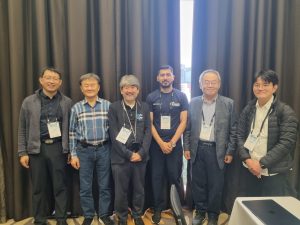
Shaan Sivagurunathan, Head of the APAN Secretariat, highlighted the significance of the event for Pakistan, noting that the Chairman APAN Shinji Shimojo introduced the APAN PULSE project to enhance APAN’s objective. “This initiative aims to bring National Research and Education Networks (NRENs) closer together by focusing on success stories and knowledge sharing,” Shaan said.
Shaan expressed hope that Pakistan, having successfully APAN58, will be selected as a host again in the future to attract even greater international participation.
AI & HPC: Better Together
A standout feature of the APAN58 conference is its theme, “AI & HPC: Better Together,” Dr. Jamil Ahmad, Chairman and Member IT at HEC, unveiled significant plans for the future. “We are set to establish data centers in Lahore and Karachi and develop our own HPC and cloud systems shortly,” Dr. Ahmad announced.
He elaborated, “These HPC centers will offer virtual access to all Pakistani universities, allowing them to use virtual machines on-site. Our cloud systems will ensure data remains within the country. We are investing around $8 million in security measures, including firewalls, hardware, and software, to protect our data.”
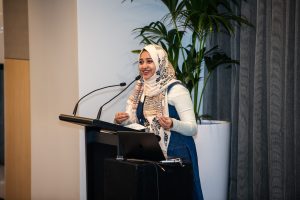
Dr. Agha Ali Raza, Assistant Professor at LUMS, delivered a compelling keynote on “Demystifying Generative AI.” The session, meticulously organized, provided attendees with an in-depth exploration of generative AI and prompt engineering.
Dr. Raza’s presentation highlighted the practical applications of these technologies, illustrating their effectiveness with clear examples. He detailed how generative AI operates in today’s technological landscape and shared practical insights on leveraging ChatGPT to tackle academic challenges through well-crafted prompts.
Meanwhile, APAN maintains its commitment to fostering global participation by awarding fellowships to both undergraduate and postgraduate students for their proposals. This opportunity provides access to the broader APAN community.
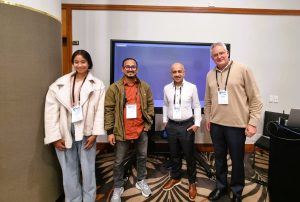
Ahmad Umair Suhaidi, an international fellow from Malaysia, shared his experience, noting, “Attending the session on ‘HPC and AI: Better Together’ was incredibly insightful. “I participated in a security workshop by APNIC, where I gained knowledge in vulnerability assessment, and the NREN ecosystem, along with exploring Generative AI and other topics.” Umair added.
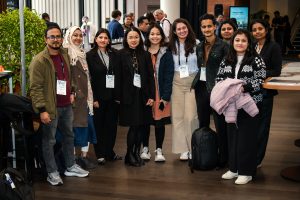
Sameer Ali, a PhD candidate in cybersecurity at the Australian National University, described his APAN58 experience as “truly enriching and rewarding.” He appreciated the opportunity to attend various valuable workshops, meetings, and collaborate with professionals from around the world. As a fellow of APAN58, Sameer expressed satisfaction with the educational initiatives undertaken by HEC and APAN.
The Sri Lankan fellows selected for the event expressed their delight with the warm hospitality extended by Pakistan, remarking that it felt just like being in their hometown. They also praised the organizers for ensuring that all their needs were met throughout the conference, further enhancing their experience.
In Last, the recent APAN58 conference showcased notable progress in advancing Pakistan’s academic sector, particularly in enhancing networking and AI capabilities within educational institutions. This initiative aligns with PEARN’s vision of establishing a future characterized by high-speed, accessible network infrastructure that serves all stakeholders equitably. By hosting APAN58 has provided Pakistan with significant benefits, reinforcing its role in the global academic community.