My First APAN Experience: Learning How Networks Work in Practice
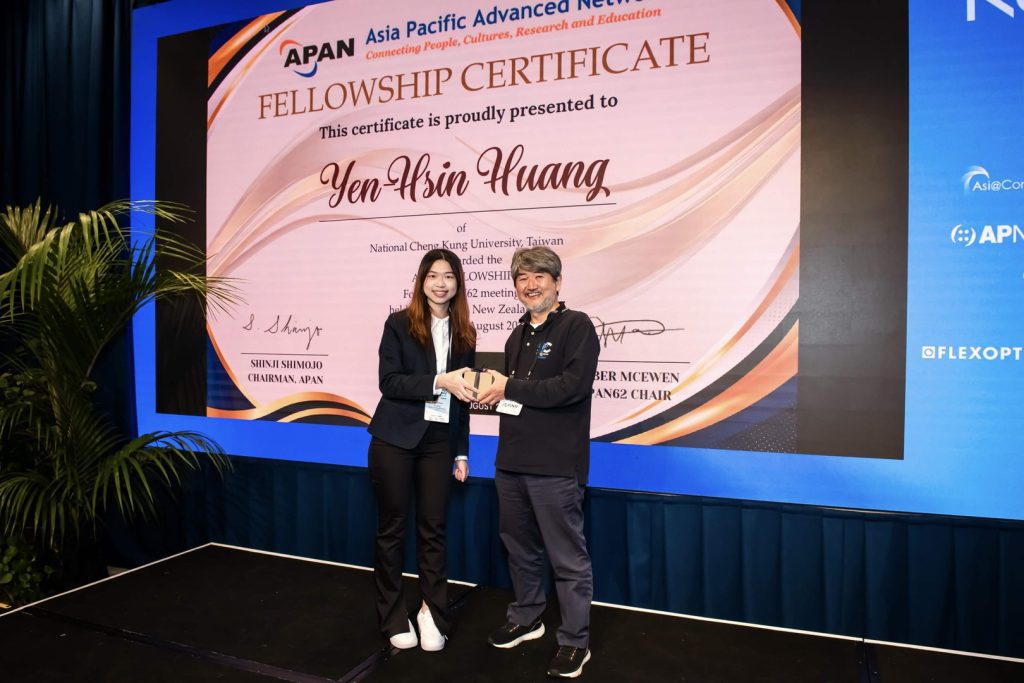
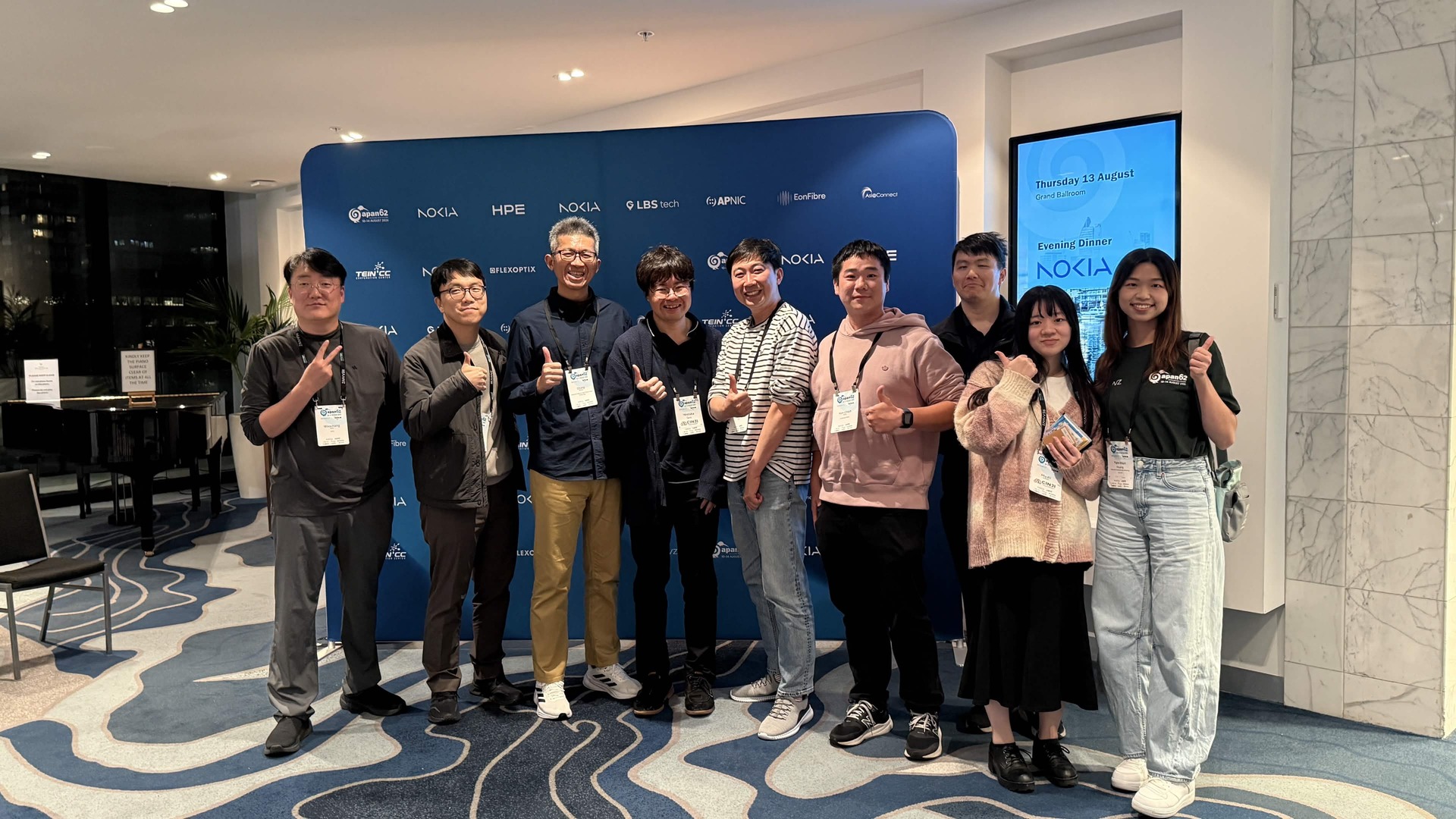
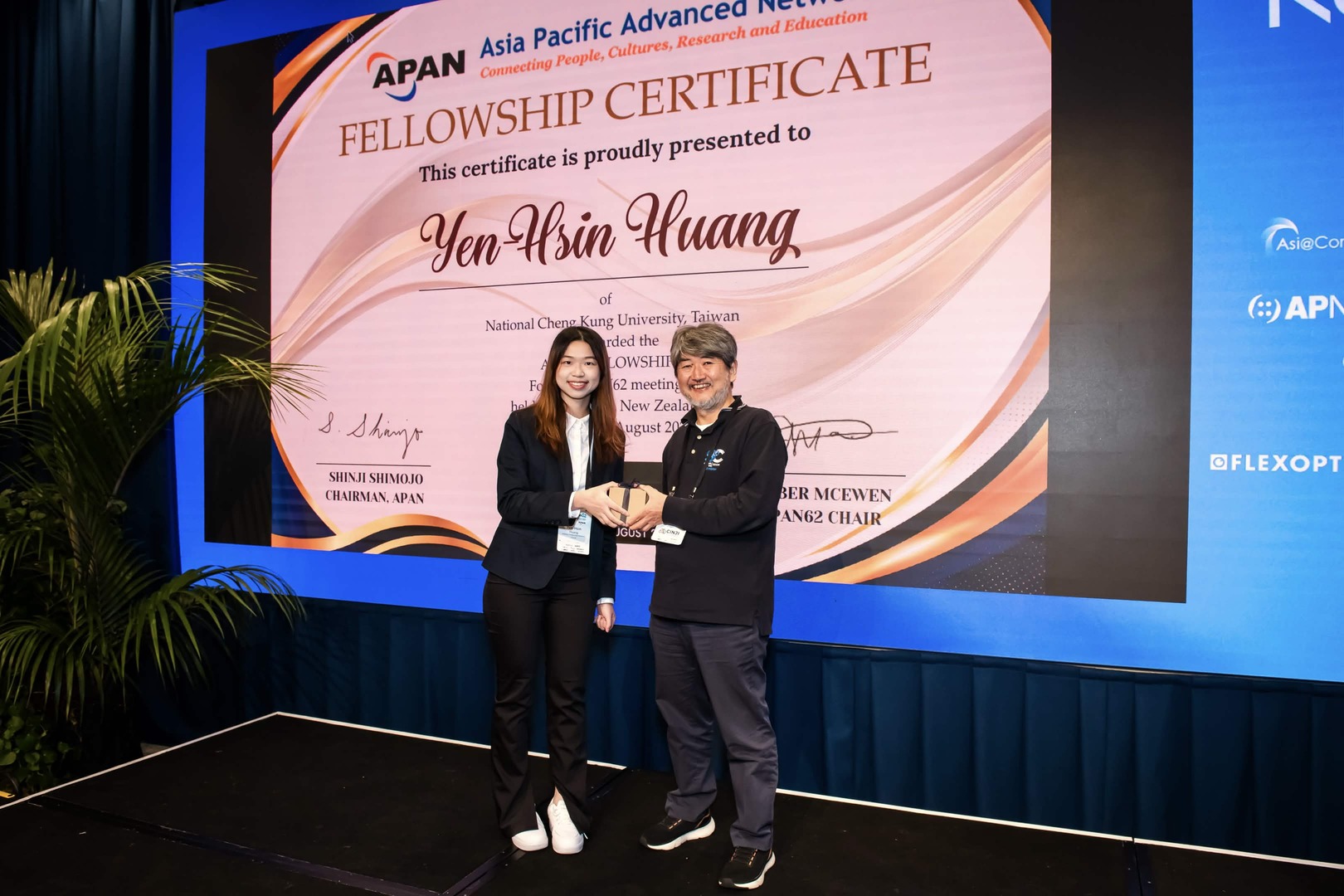
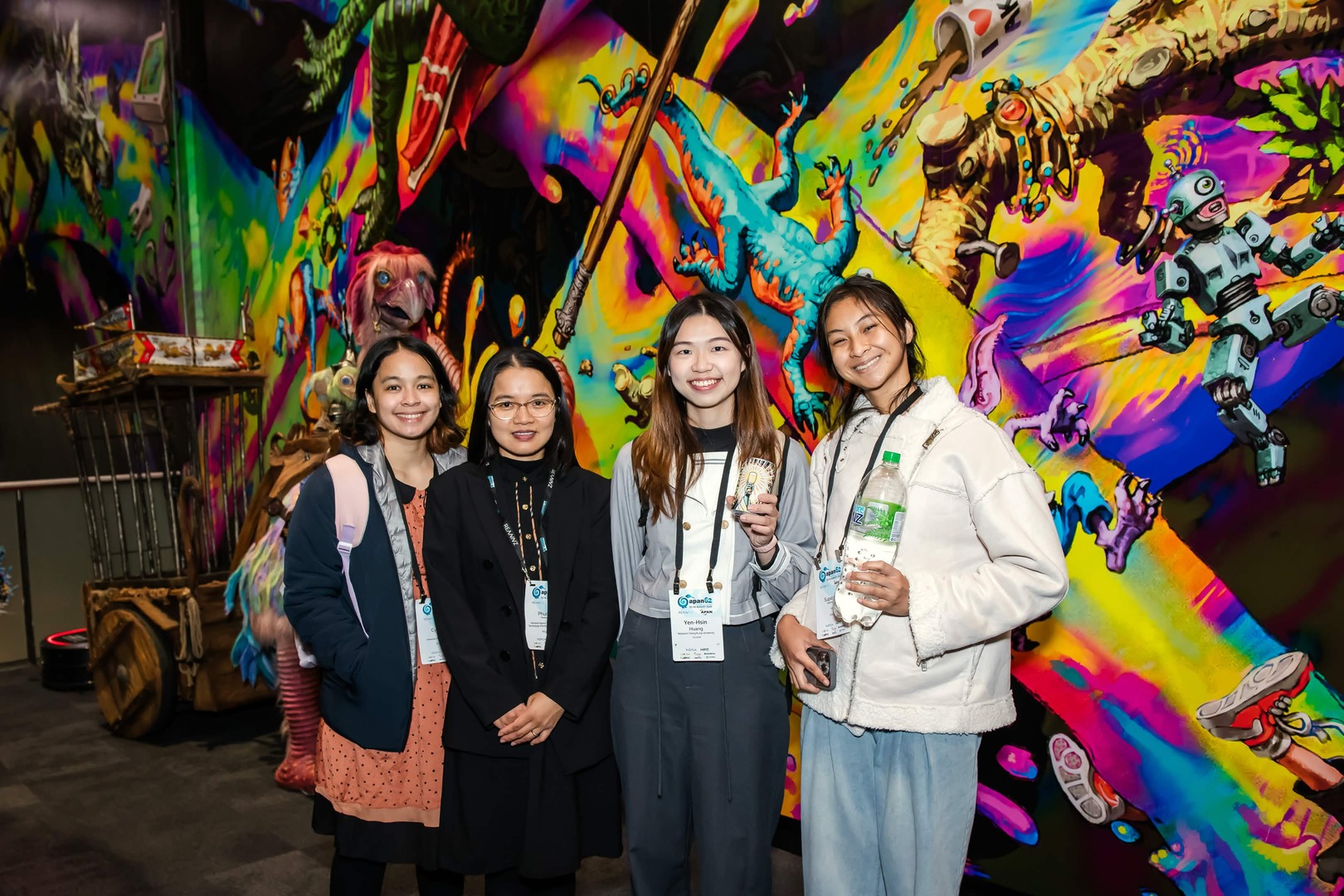
APAN62 was my first APAN meeting, and I was grateful to join as a Fellow. The Fellowship gave me opportunities to meet NREN leaders, professors, engineers, service providers, and other Fellows.
I also learned a lot from the Fellows around me. For example, my roommate, Wathsala, is already a WG co-chair. Seeing how actively she contributes to the APAN community encouraged me to become more involved as well.
What impressed me most was how closely APAN discussions are connected to real operational challenges. Compared with traditional academic conferences, I heard much more about geographic constraints, infrastructure limitations, and network issues faced by different regions. These conversations helped me see the importance of open communication and collaboration in operating large-scale networks.
Shadowing the HPC/AI WG Chair: Learning How Technical Discussions Are Guided
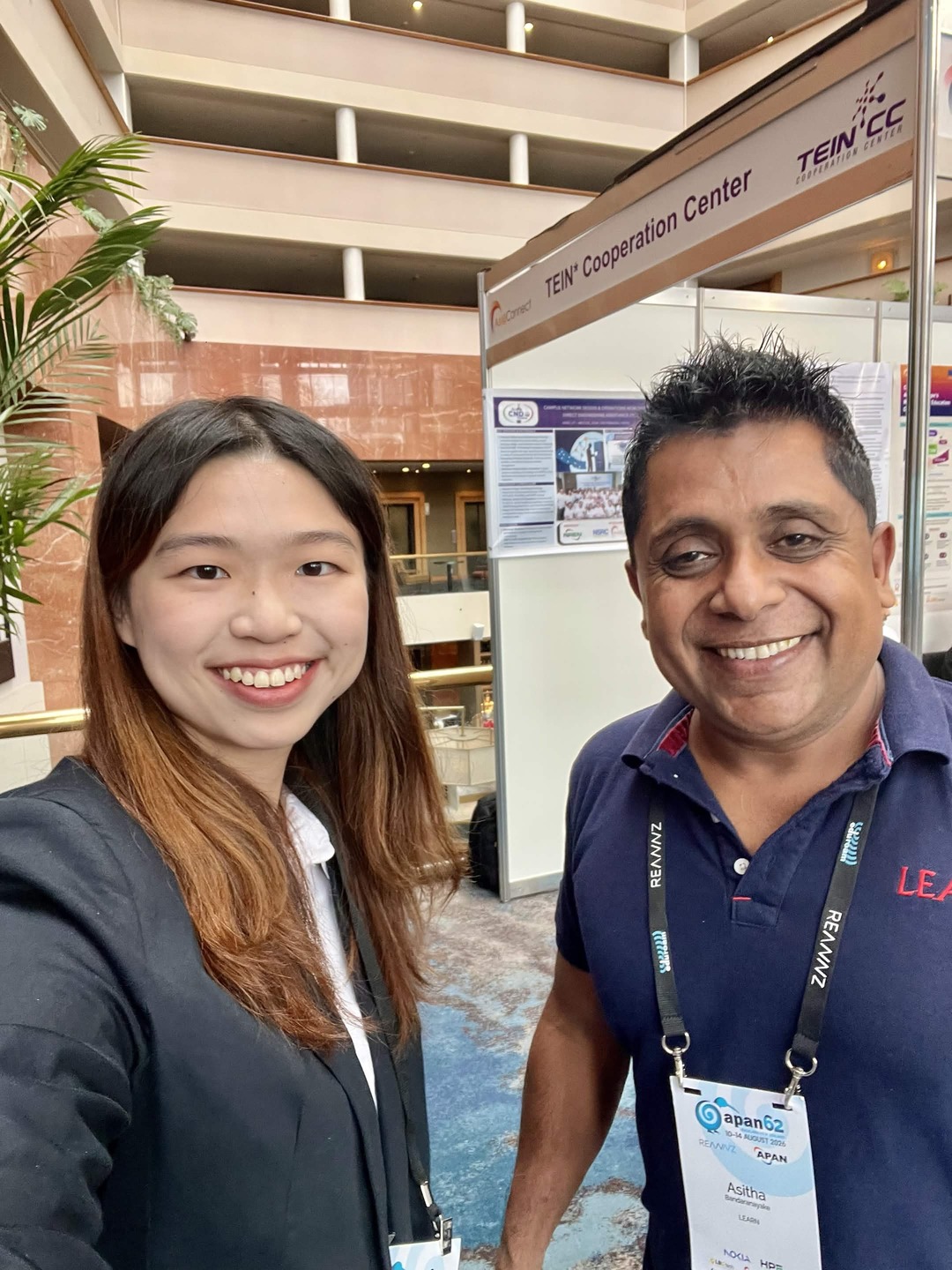
My main Fellowship assignment was to shadow Dr. Asitha Bandaranayake, chair of the HPC/AI WG. Throughout the week, I observed how he organized and guided various sessions, from Monday’s opening session and the “AI for Good / Tech for Nature” panel to Friday’s Main Session.
One thing that stood out to me was how he handled unexpected changes. When the schedule changed on Monday, he quickly adjusted the session by introducing the working group’s background and coordinating with the guest speakers. This kept the discussion moving naturally despite the change in plan.
I also noticed that his role was not simply to introduce speakers. He helped connect different presentations by bringing the discussion back to shared challenges, such as high hardware costs and isolated computing resources. This showed me that leading a technical working group requires not only technical knowledge but also the ability to frame useful questions and connect different perspectives.
Further Observations from the HPC/AI WG
Beyond observing how the sessions were guided, I also learned a lot from the different approaches to HPC resource sharing discussed in the WG.
Francis Lee introduced the ASEAN-KISTI initiative, which allows ASEAN members to access South Korea’s supercomputing resources. Amber McEwen from REANNZ shared another approach: using the open-source Waldur platform to connect distributed computing resources in New Zealand.
These examples showed me that expanding computing capacity does not always mean buying more hardware. Sharing existing resources and connecting infrastructure across institutions can also make HPC more accessible.
Other sessions on BGP route observability, kernel-level DNS defenses, and subsea fiber sensing also helped me see how closely computing, networking, security, and physical infrastructure are connected.
Reflections and Future Growth
APAN62 gave me a much broader view of how networking and computing systems work in practice. Three takeaways stood out to me:
1. Infrastructure should be viewed as a whole. Networking, security, computing, and physical infrastructure are closely connected.
2. Technical leadership is about guiding meaningful discussion. Good leaders help people identify shared problems and connect different perspectives.
3. Research should stay connected to real-world needs. Practical constraints and failure cases are important parts of systems research.
This experience gave me a clearer direction for my own research and encouraged me to stay involved in the APAN community. I would strongly encourage students and early-career researchers to apply for the APAN Fellowship and experience this open, collaborative community firsthand.
Author: Huang Yenhsin, National Cheng Kung University