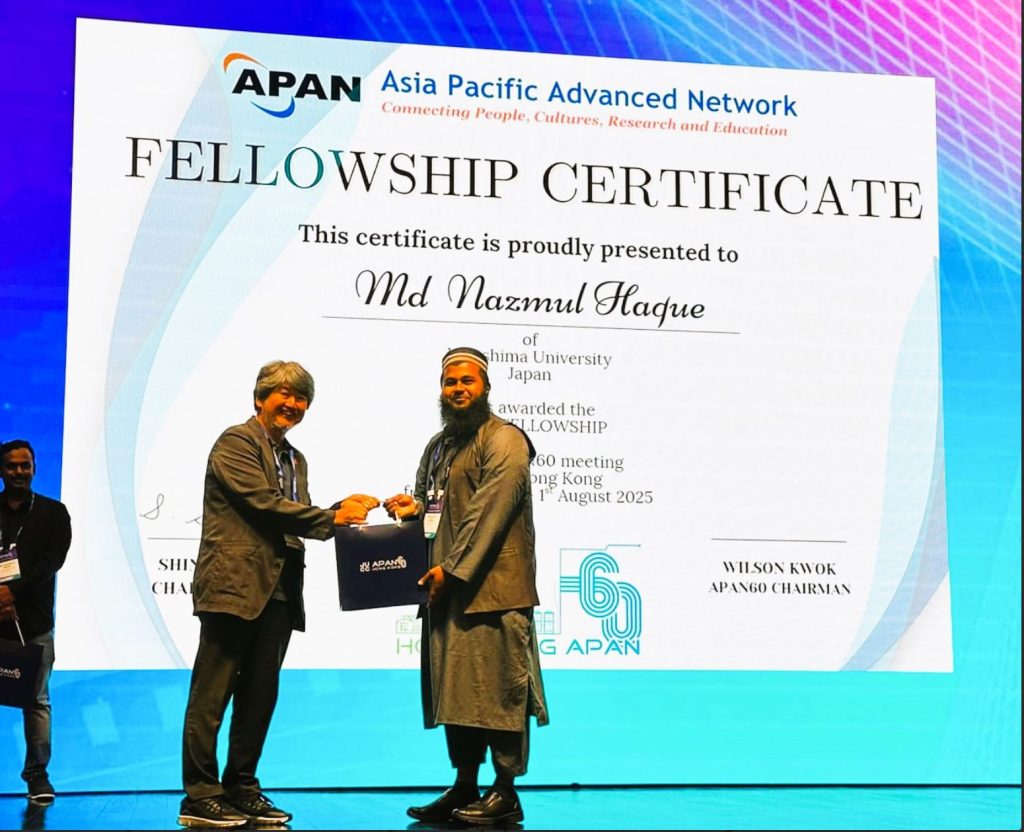
Being selected as an APAN Fellow twice—first at APAN60 in Hong Kong and then at APAN61 in Dhaka—has been more than attending two international meetings. It has been a journey of walking alongside leaders, learning directly from them, and gradually finding my own place within a regional network committed to solving some of Asia-Pacific’s most pressing challenges.
At APAN60 in Hong Kong, I arrived as a young researcher eager to understand how regional collaboration truly works. I listened carefully to keynote speakers who spoke about the power of research and education networks in enabling climate science, disaster response, and digital transformation. What struck me most was not only the technology—high-performance computing, federated data systems, and cross-border infrastructure—but the people behind it. The APAN leadership team, working group chairs, and local organisers demonstrated how coordination, trust, and long-term vision turn infrastructure into impact.
As part of the Disaster Mitigation Working Group at APAN60, I also had the opportunity to present my research on how nature-based solutions can serve as effective strategies for disaster prevention and climate resilience. I discussed how integrating urban green infrastructure, ecosystem services, and climate adaptation planning can reduce vulnerability while generating co-benefits for communities. Presenting within the DMWG allowed me to connect my research directly with regional disaster mitigation priorities and receive valuable feedback from experts working on simulation, infrastructure, and policy integration. By observing senior leaders closely, engaging in informal conversations, and participating in discussions, I began to understand that regional cooperation is built through relationships as much as through technology.
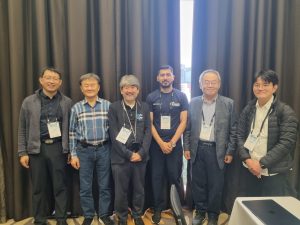
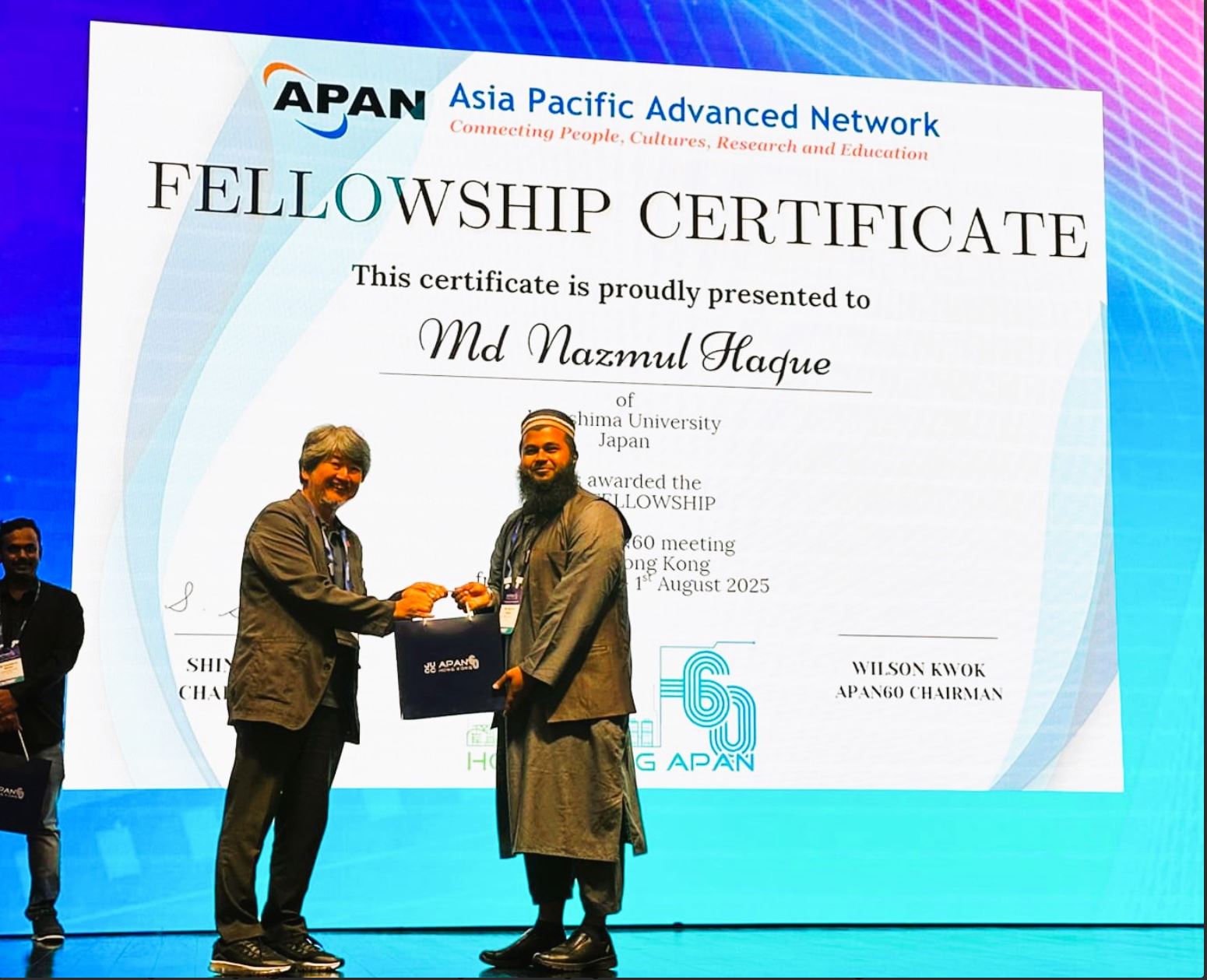
[Receiving Fellowship Certificate in Hongkong, APAN60]
APAN61 in Dhaka deepened this experience. This time, I was not only listening—I was contributing more actively, particularly through the Disaster Mitigation Working Group (DMWG). Through extended discussions with the Working Group Chair, Dr. Franz A. De Leon, I gained a clearer understanding of the long-term vision of the DMWG. He explained how the group aims to unite regional resources to alleviate the impacts of natural disasters by connecting infrastructure providers, scientists, and user communities across Asia. The idea is powerful: by using distributed computing, shared simulation platforms, and open collaboration networks, countries can collectively improve risk estimation, disaster preparedness, and mitigation strategies.
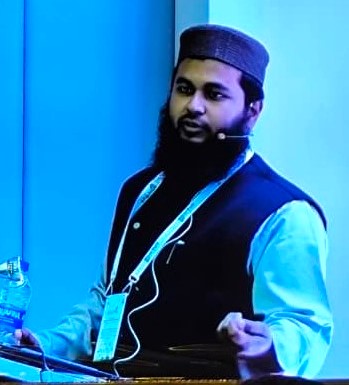
In our conversations, Dr. Franz emphasized that DMWG is not simply about hosting sessions during APAN meetings. It is about building an open collaboration platform—where case studies, numerical simulations, training workshops, and master classes create sustained capacity across member countries. The group also works with broader networks such as UNESCO and EGI, extending its impact beyond a single event. Hearing this directly from him helped me see how structured coordination, patient leadership, and inter-institutional trust sustain such initiatives over time. During the DMWG session at APAN61, I presented my research titled, “Climate Change Matters: A Holistic Approach to Assess the Coastal Vulnerability in the Ganges Delta, Bangladesh.” My framework integrates exposure, sensitivity, and adaptive capacity using spatial multi-criteria techniques to measure vulnerability in one of the world’s most climate-sensitive regions. Presenting alongside experts who shared updates on regional collaborations, wildfire management, hazard information systems, and disaster monitoring made me realize how interconnected our regional challenges are. The feedback I received opened new possibilities—particularly the potential to scale my framework using federated infrastructure and regional-level simulations.
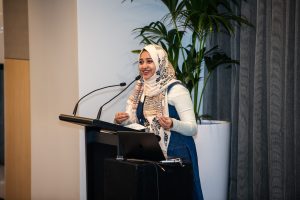
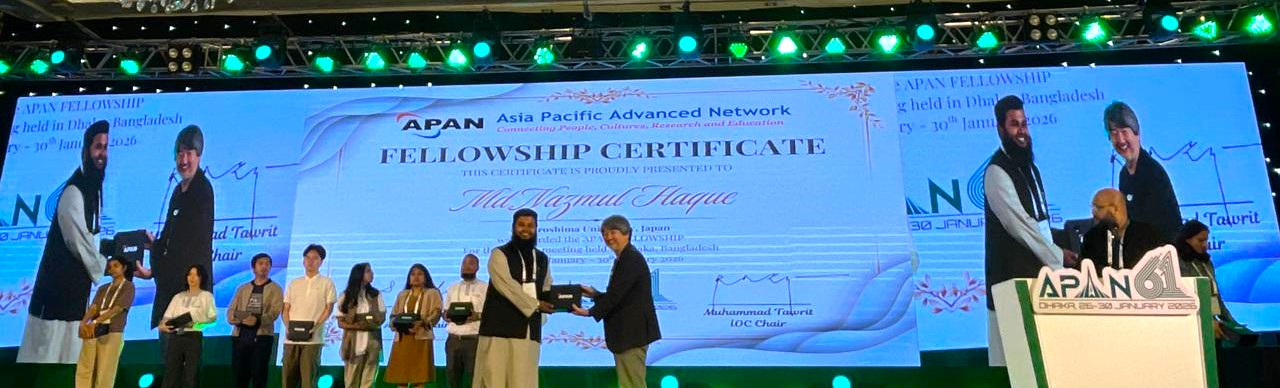
[Presenting at APAN61 and Receiving Fellowship Certificate in Dhaka, APAN61]One of the most valuable outcomes of APAN61 was a focused discussion with Dr. Franz about future collaboration. We explored the possibility of securing funding to conduct regional-level vulnerability assessments that integrate data and computational resources from multiple countries. For me, this conversation symbolized what the APAN Fellowship truly offers: access to mentorship and inclusion in strategic thinking processes. As senior leaders gradually retire, there is a clear need for younger researchers to step forward, continue the mission, and carry the collaborative spirit forward. Through fellowship opportunities, APAN creates that bridge between generations. I also learned immensely by observing how the APAN Chairman, working group chairs, keynote speakers, and local organising teams operate behind the scenes. Their leadership is not limited to delivering speeches; it involves quiet coordination, ensuring inclusivity, facilitating cross-border dialogue, and mentoring emerging scholars. Tagging along with them during sessions, discussions, and informal gatherings allowed me to see how global networks are nurtured through humility, openness, and shared purpose.
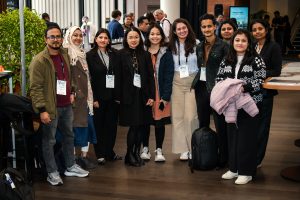
[Fellows from Different Countries]
Beyond formal sessions, APAN meetings provide hands-on workshops on campus security, artificial intelligence, and advanced networking technologies. Participating in these workshops expanded my technical understanding and exposed me to practical applications that support disaster mitigation and research infrastructure. The engagement of participants—from students to senior experts—created a vibrant, intergenerational learning environment.
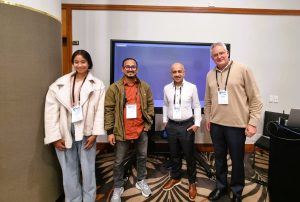
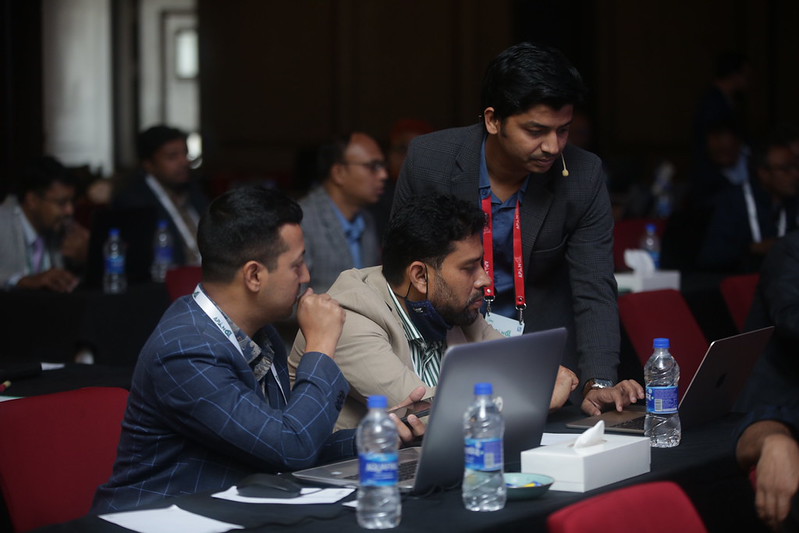
[Workshop or Interactive Session Participation]Looking back, what I gained from APAN60 and APAN61 goes beyond knowledge. I gained mentorship, regional visibility, professional confidence, and a clearer sense of responsibility. I learned how collaboration is designed, how leadership transitions are prepared, and how young researchers can be integrated into global initiatives. The APAN Fellowship made it easier for me to enter these spaces, contribute meaningfully, and envision my role in strengthening regional disaster resilience.
I strongly encourage young researchers across the Asia-Pacific region to apply for the APAN Fellowship. It is not merely financial support—it is an invitation to join a living network of leaders and innovators who are collectively shaping the future of regional collaboration.
Author: Md. Nazmul Haque, Hiroshima University; Khulna University of Engineering & Technology