1. Introduction
Attending APAN62 as a Fellow was both a professional milestone and a deeply personal experience for me. My connection with APAN began several years ago through my work at BdREN, but the Fellowship allowed me to see the community from a new perspective: not only as a participant, but also as someone preparing to contribute more actively to its future. This report reflects on the journey that led me to Auckland, the people and ideas that shaped my week, the lessons I am taking home, and the practical ways I hope to serve APAN and the wider research and education network (REN) community in the years ahead.
2. My Journey with APAN
I first came across APAN shortly after joining BdREN as Assistant Manager, Finance and Accounts. At that time, APAN was mainly familiar to me through the annual membership invoices that reached my desk. Gradually, however, what began as a budget item developed into a meaningful professional journey and changed the way I understood my own role in the regional research and education network (REN) community.
My direct involvement began with APAN53, hosted by BdREN in March 2022. I served on the Organizing Committee as Member Secretary of both the Budget Committee and the Cultural Committee. It was my first close look at the planning, teamwork and attention to detail required to deliver an APAN meeting. The table below summarizes how my involvement developed from APAN53 to APAN62.
| APAN Edition | Date & Location | My Role |
| APAN53 | March 2022 — Dhaka, Bangladesh (hosted by BdREN, virtual/hybrid) | Member Secretary, Budget Committee & Cultural Committee, Organizing Committee |
| APAN59 | 3–7 March 2025 — Yokohama, Japan | Fellow, AP-GAINED Training (3 days) — first in-person REN community engagement |
| APAN60 | 28 July – 1 August 2025 — Hong Kong | Panellist (virtual), NREN Leaders’ Forum |
| APAN61 | 26–30 January 2026 — Dhaka, Bangladesh (hosted by BdREN) | Member Secretary, Cultural Committee; Presenter, HPC/AI Working Group |
| APAN62 | 10–14 August 2026 — Auckland, New Zealand (hosted by REANNZ) | Fellow |
APAN59 in Yokohama, Japan, was my first opportunity to attend an APAN meeting in person. I participated as a Fellow in the three-day AP-GAINED training program. Until then, most of my contact with the wider REN community had been through work and online communication. Meeting colleagues from outside Bangladesh face to face made the community feel real and welcoming, and it helped me see that I, too, had a place within it.
At APAN60 in Hong Kong, I joined the NREN Leaders’ Forum virtually as a panellist. I shared lessons from the GLDP2 (Global Leadership Development Program 2) training in Bangkok, supported by Asi@Connect. This opportunity helped me become more confident in speaking about my experience and contributing to discussions beyond my immediate area of work.
When BdREN hosted APAN61 in Dhaka in January 2026, I again served as Member Secretary of the Cultural Committee and also presented at the HPC/AI Working Group. It was especially meaningful to welcome the APAN community to Bangladesh. After these experiences, applying for the APAN62 Fellowship felt like a natural next step, and I was delighted to be selected.
3. About APAN62
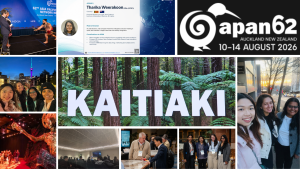
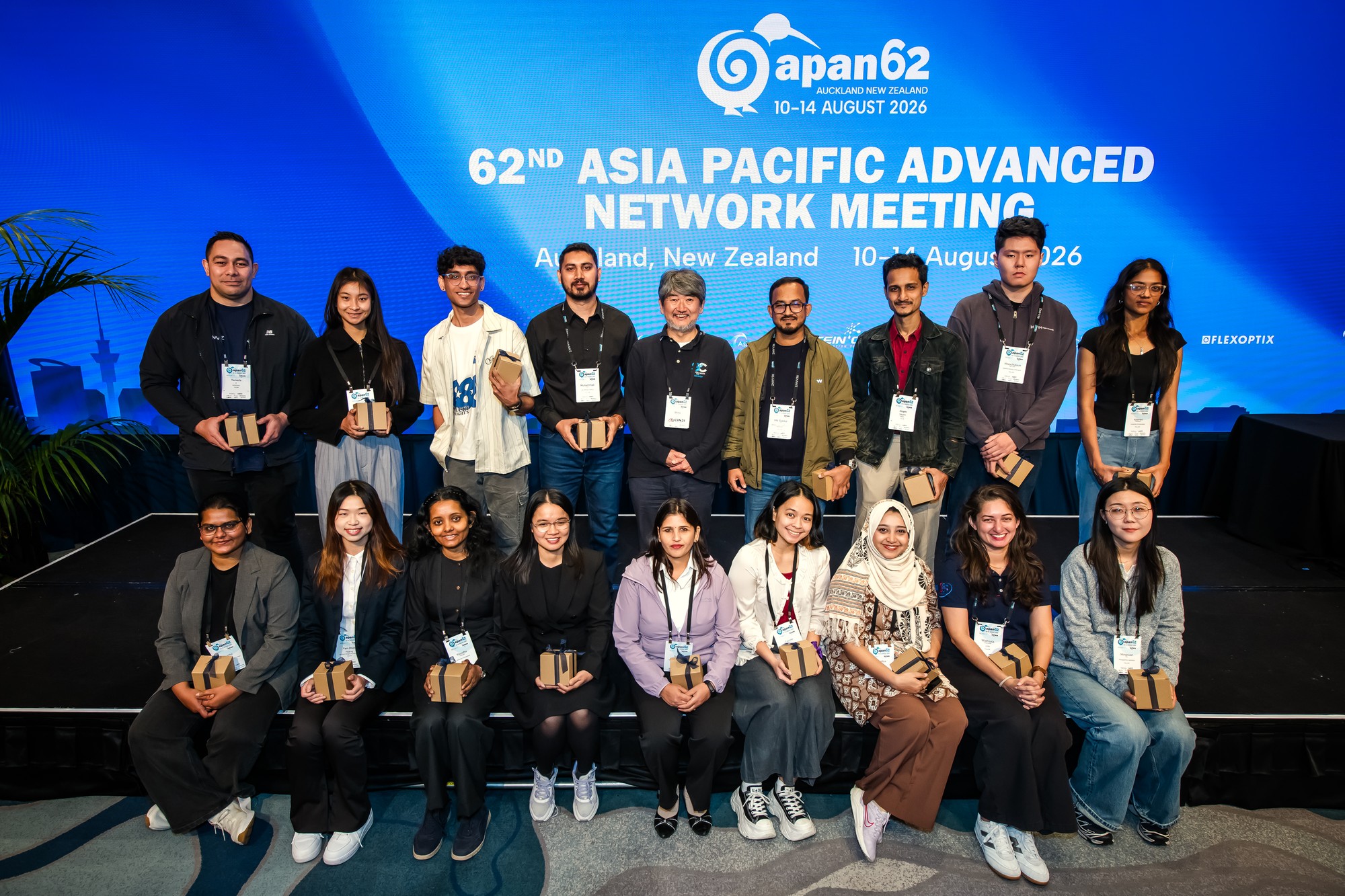
APAN62, the 62nd meeting of the Asia Pacific Advanced Network, was hosted by REANNZ, New Zealand’s national research and education network, in Tāmaki Makaurau, Auckland, from 10 to 14 August 2026. More than 300 delegates took part in 41 sessions featuring speakers from 12 countries and economies. The program covered network-enabled research and education, AI and machine learning, telemedicine, natural disaster mitigation and many other areas of shared interest. APAN62 was also co-located with the 4th International Conference on Advanced Network Technologies and Applications (APANConf’26).
4. Experience as an APAN62 Fellow
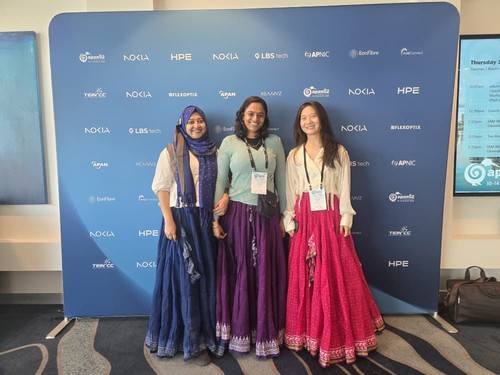
The Fellowship gave me access to a side of APAN that I had never seen so closely. Throughout the week, I shadowed Ms. Liana Jacinta Jaganathan, General Manager of APAN and Co-Chair of Marketing And Communication Special Interest Group, and observed how she coordinated sessions, supported the Secretariat, managed logistics, and engaged with delegates, sponsors and partner NRENs. What impressed me most was not only the scale of her responsibilities, but also the calm, care and judgement with which she handled them. The experience gave me a much more practical understanding of the leadership required to bring an event of this size together.
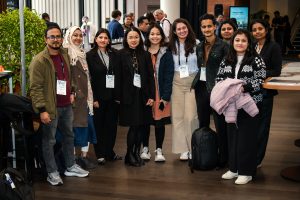
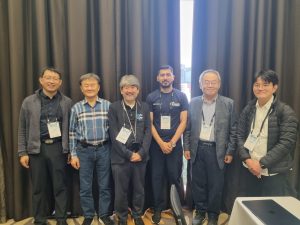
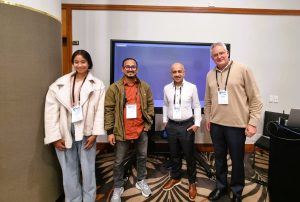
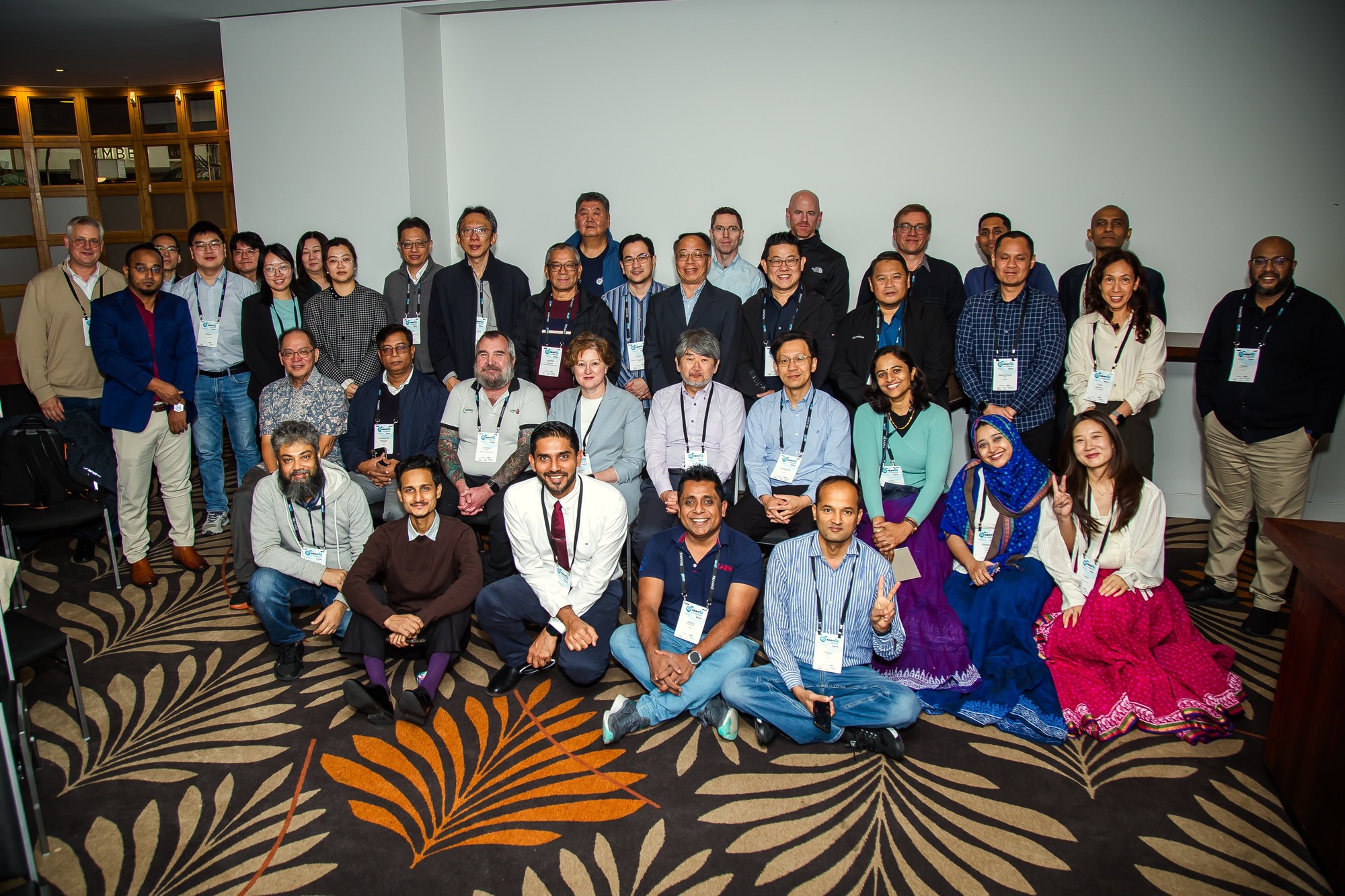
I also took part in one-to-one mentorship sessions and met the team preparing to host APAN64. These conversations showed me that every host NREN faces its own circumstances, yet many of the underlying challenges are shared. More importantly, the Fellowship helped me feel that I belonged to the wider REN community rather than simply attending one of its events. I now have mentors and professional connections in Sri Lanka, China, the United Kingdom, Nepal, Thailand, Korea and Malaysia. I value these relationships greatly and hope to continue learning from them long after APAN62.
5. Presenting at the SIG on Marketing and Communication
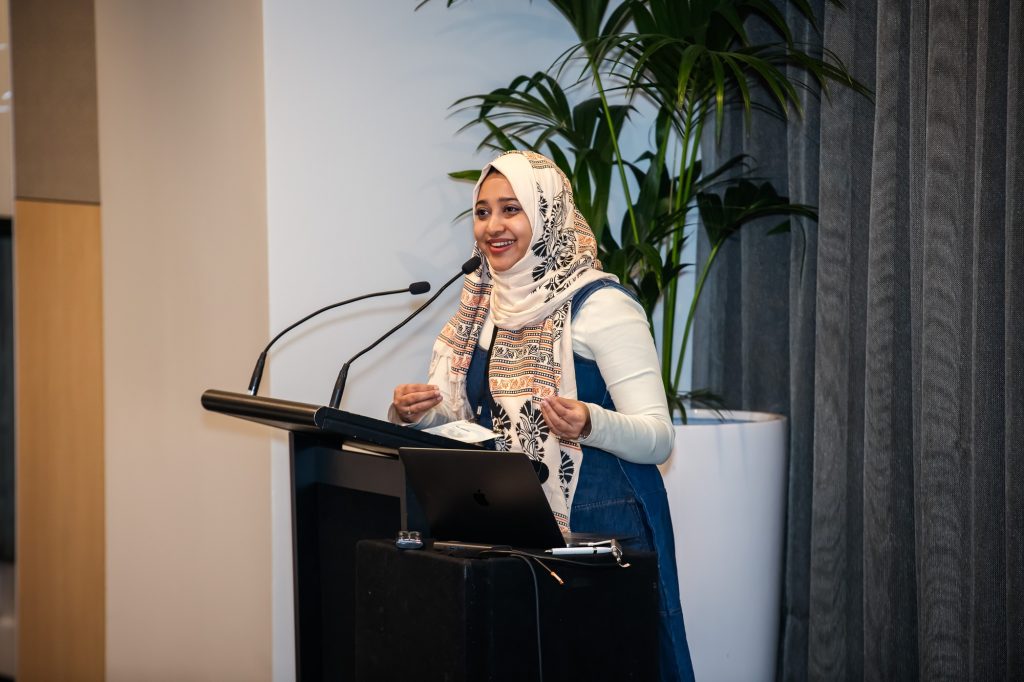
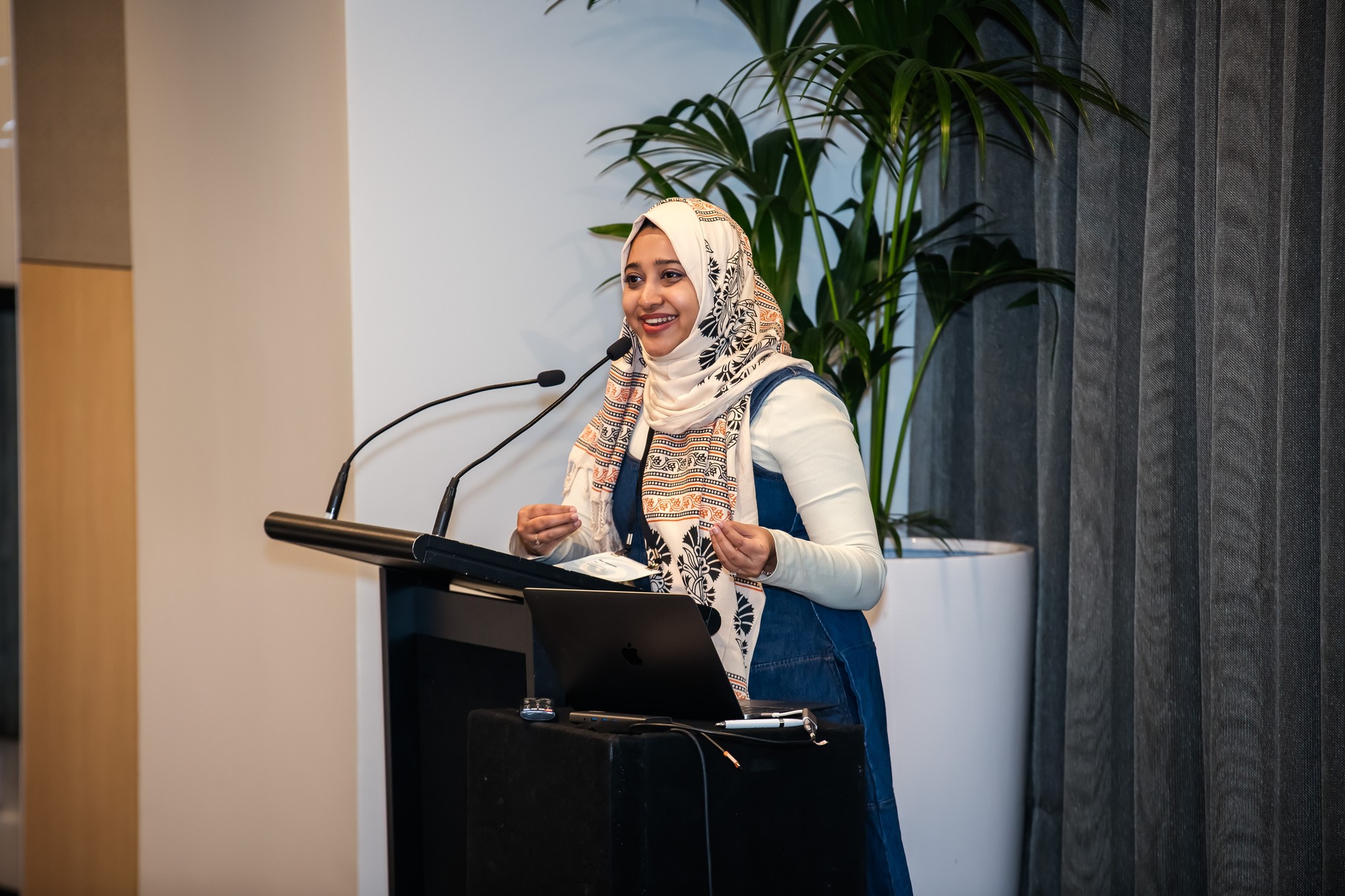
As part of the Fellowship, I presented at the Special Interest Group (SIG) on Marketing and Communication on the topic “Collaborative Innovation Models: Co-Creating Value Across Borders” during the BdREN | APAN62 Marketing Session. It was my first time speaking in “Marketing and Communication” Special Interest Group session at an APAN62 meeting. Sharing my ideas with REN marketing and communication professionals from across the region was both challenging and rewarding, and it gave me greater confidence to contribute to future APAN discussions.
6. Key Learnings
Three lessons from the Fellowship will stay with me. First, strong systems and careful planning are essential to an event of APAN’s scale, but it is the commitment of people who care about the REN community that makes those systems work. Second, mentorship across NRENs is a powerful way to share knowledge, build confidence and create opportunities, regardless of the size or maturity of a member network. Third, the region has clear potential for more women to take on leadership roles, but this will require consistent encouragement, practical opportunities and deliberate investment in their development.
7. Future Plans and Commitment to APAN
APAN62 did more than inspire me; it helped me identify where I can contribute most effectively. Building on the mentorship, exposure and confidence I gained, I plan to focus on the following areas in the coming years:
- Program organizing: I will continue to volunteer for future APAN and APAN-Conference organizing committees. I hope to build on my experience with budgeting, cultural activities and social programming at APAN53 and APAN61, while gradually taking on broader coordination responsibilities similar to those I observed at APAN62.
- Fund and grant management: I want to develop a practical understanding of how APAN and its funding partners, including Asi@Connect, design, disburse and report on grants. This knowledge would allow me to support BdREN—and, in time, APAN—in managing funds with greater rigour, transparency and accountability.
- Fintech and AI in REN financial management: As a finance professional, I am interested in exploring how digital finance tools and AI-assisted processes can make financial management across member NRENs more efficient, accurate and accountable. I identified this as a field of personal interest during APAN61 and now intend to develop it further.
- Mentorship: I hope to pass on the encouragement and guidance I received from colleagues across the region. In particular, I would like to support future APAN Fellows from Bangladesh and other emerging NRENs as they begin building their own place in this community.
- Women’s leadership and capacity development: I plan to contribute actively to forums such as the Emerging NREN Leaders Forum and advocate for sustained opportunities that help women prepare for leadership roles across the region’s RENs. I believe this work should be practical and continuous, rather than occasional or symbolic.
As BdREN’s first woman staff member, I feel a special responsibility to help create a clearer path for the women who come after me. I also want to dedicate part of my own professional development to supporting emerging women leaders across NRENs in the region. APAN’s Fellowship Program, mentorship network and forums such as the Emerging NREN Leaders Forum provide a strong platform for this work, and I hope to remain an active and visible contributor.
8. Conclusion
APAN62 was an important turning point in my journey with the REN community. I returned from Auckland with new knowledge, greater confidence and, most importantly, a stronger sense of responsibility. The Fellowship showed me that meaningful contribution does not begin with a title; it begins with being willing to learn, to support others and to take on work that strengthens the community. I am sincerely grateful to APAN, the Fellowship Committee, my mentors and BdREN for giving me this opportunity. In the years ahead, I hope to turn what I learned into practical service—by supporting future APAN meetings, strengthening the management of funds and programs, exploring better financial practices, mentoring new Fellows and helping more women prepare for leadership. For me, APAN62 was not the end of a fellowship experience, but the beginning of a longer commitment to APAN and its shared purpose.
Author: khadizatul kubra Tinny, Bangladesh Research and Education Network