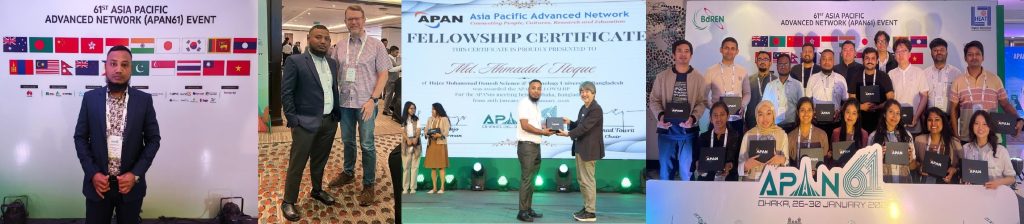
Participating in APAN-61 as a Fellow was an experience I genuinely value. Being part of such a diverse technical community in Dhaka gave me far more than just conference exposure. I am sincerely grateful to APAN and the Local Organizing Committee (LOC) for this opportunity.
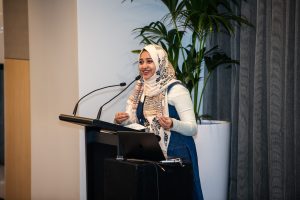
The Fellowship introduction session helped me better understand what APAN represents. It made me realize that the role of a Fellow is not limited to attending sessions, but also to carrying ideas, knowledge, and practices back to our own institutions.
The “Securing the Digital Campus” workshop organized by BDREN & HEAT was one of the most practical parts of my journey. The hands-on format allowed me to work directly with tools such as Nmap, Nessus, OpenVAS, Burp Suite, OWASP ZAP, SQLmap, Nikto, and Metasploit. More importantly, it strengthened my understanding of how vulnerabilities actually appear in real environments. The CTF exercise was particularly engaging, as it required applying concepts rather than just discussing them.
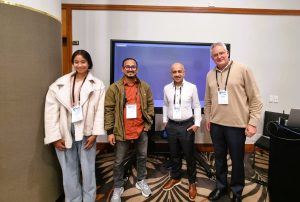
An especially valuable aspect of the workshop was my interaction with Md. Arifur Rahman (PUST). Although his session on Security Best Practices for Administrators was insightful, our discussions outside the classroom were equally meaningful. Since we both work in university networks, our conversations naturally focused on practical challenges rather than theory.
We exchanged views on policy design, operational constraints, and mitigation strategies. His experience-based guidance on firewall policy structuring — including how to balance permit and deny rules effectively — provided perspectives that are difficult to gain from documentation alone. We also discussed techniques for reducing false positives and improving overall network visibility.
Another session that left a strong impression on me was “Designing Learning Paths for the Next Generation Internet Engineers (SOI)”. This was my first introduction to initiatives like SOI Asia and APIE. The discussion around connected learning pathways felt highly relevant, especially for students from universities outside major urban centers.
After the session, I had an engaging conversation with Arnab Nath (BUET) about how students from remote or regional universities might benefit from greater awareness and participation in such initiatives. This exchange highlighted the importance of creating more inclusive technical communities.
The interactive security session by Jamie Gillespie was another memorable component of APAN-61. Beyond the topics covered, my one-to-one discussion with him offered useful practical insights. One suggestion that stood out was the value of maintaining an internally managed DNS service. While public DNS solutions offer convenience and performance, they may not always align with institutional monitoring and policy requirements. This perspective encouraged me to rethink DNS from an operational security standpoint.
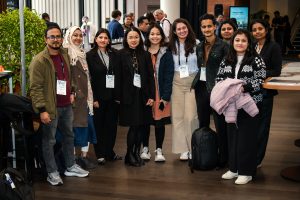
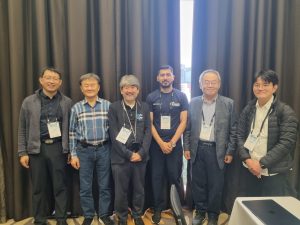
Beyond the formal sessions, APAN-61 provided meaningful opportunities to connect with engineers, researchers, and academics from different countries. These interactions involved genuine knowledge exchange and the development of professional relationships that I believe will remain valuable in the future.
Overall, APAN-61 was not simply an event I attended, but an experience that reshaped how I view learning, collaboration, and professional growth. I look forward to applying these insights within my own campus environment.
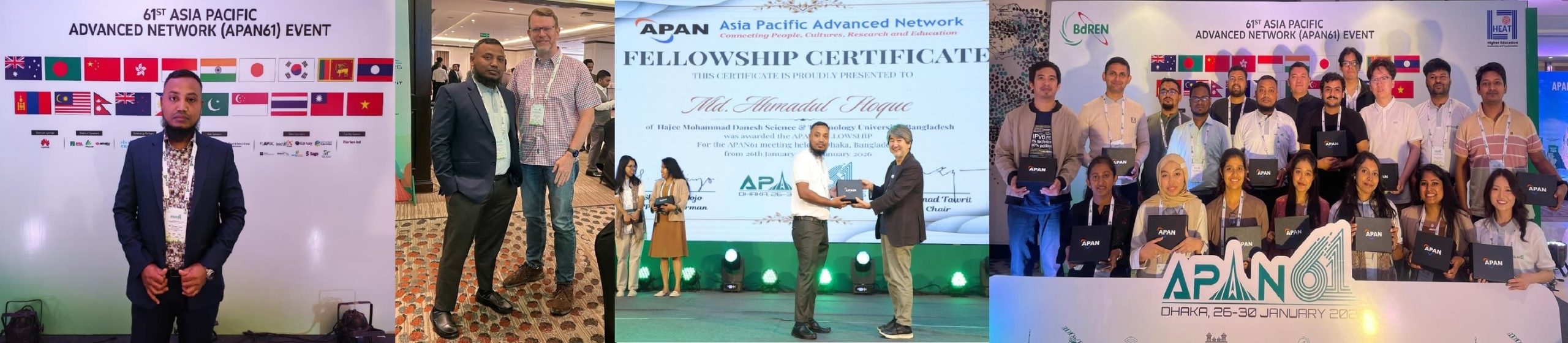
Author: Md. Ahmadul Hoque, Hajee Mohammad Danesh Science and Technology University, Dinajpur, Bangladesh