Fellowship Report: APAN 62 Future Leaders Program
Fellow: Cylene J. Sabio
Mentor: Wathsala Dayananda, Operations Manager (LEARN) & Co-chair, Special Interest Group on Internet Governance (SIG IG)
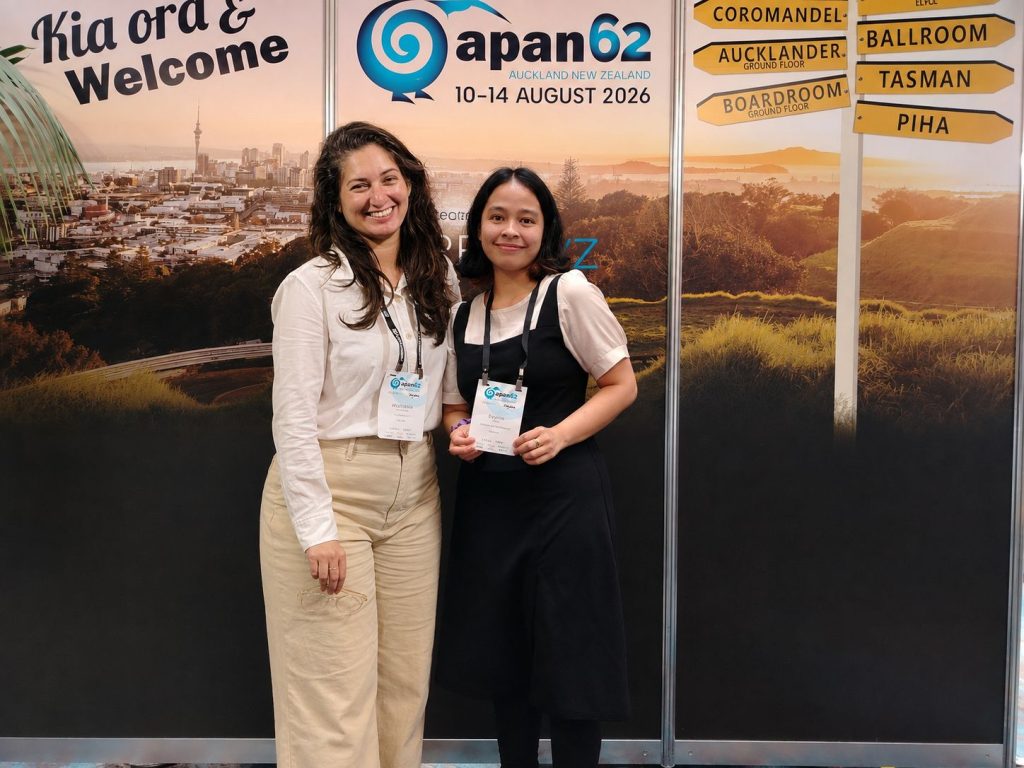
This report summarizes my experience as an APAN Fellow at APAN 62 in Auckland, New Zealand. As part of the APAN Future Leaders Program, I shadowed Wathsala Dayananda, Co-Chair of the Special Interest Group on Internet Governance (SIG IG) and Operations Manager at Lanka Education and Research Network (LEARN). The goal of this mentorship was to learn how to manage regional technical groups, organize international sessions, and understand how internet governance laws affect daily network operations.
I have learned clear and practical insights from shadowing Wathsala. She taught me what it really takes to lead an APAN group and organize successful sessions. Session planning begins months in advance by selecting a clear focus area, submitting a proposal for APAN approval, and inviting keynote speakers such as representatives from the Internet Society. Panelists are then chosen by reaching out directly to leaders across National Research and Education Networks (NRENs), including newer participants like REANNZ (New Zealand). Because travel funding is often limited, a common challenge she has faces is bringing people together physically. Successful sessions require supporting online participation alongside physical attendees. With this, a successful session requires reviewing all presentations beforehand and keeping presenters strictly on time.
For the leadership style and mindset, Wathsala shared a practical tip for professional emails: focus on positive, growth-oriented language. If a mistake occurs, avoid saying “I’m sorry.” Instead, say “Thank you for your understanding, and I will ensure this does not happen again.” According to her, beyond technical knowledge, leading a team requires strong communication, time management, personal responsibility, and a willingness to ask for help when needed. I really admire how Wathsala balances her local role at LEARN with her regional APAN duties by working flexibly, using tools like Generative AI to improve productivity, and keeping open communication with international teams.
I also had the privilege to sit in her session and take notes. During APAN 62, Wathsala co-chaired the SIG IG session on “Data Encryption, Privacy, Sovereignty, and Internet Fragmentation.” The session explored how national laws and data policies can split or disrupt the global internet. Some things I have remembered were about governance and technical barriers, impact of data encryption, and fast incident response. I learned that internet fragmentation does not always come from technical blocking. Fast-changing privacy laws and strict compliance rules often create work delays and higher costs for network operators instead. As most web traffic becomes encrypted (using TLS/QUIC protocols), traditional network monitoring becomes harder. NRENs must protect user privacy without slowing down high-speed research data. And as the world is evolving into a digital future, new regulations require reporting data breaches within a 72-hour window, making clear rules and reliable logging systems essential for research networks.
The APAN Future Leaders Program showed me that running regional tech initiatives is just as much about clear communication, structured planning, and respectful leadership as it is about technology. I am deeply grateful to Wathsala Dayananda for her time, mentorship, and practical guidance. I look forward to applying these lessons in session management, positive communication, and internet governance to my work back home in the Philippines.
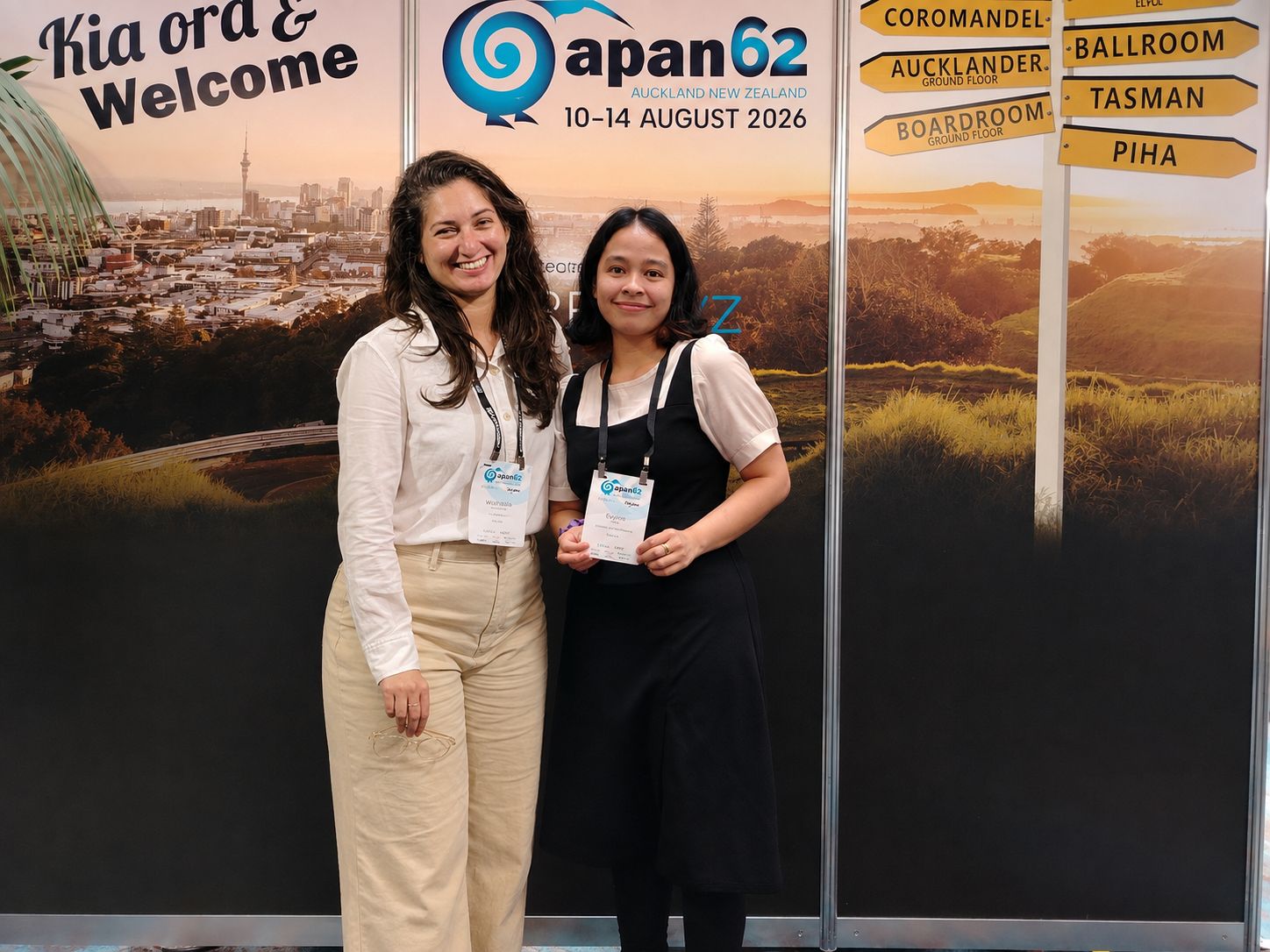
Author: Cylene J. Sabio, University of the Philippines, Diliman