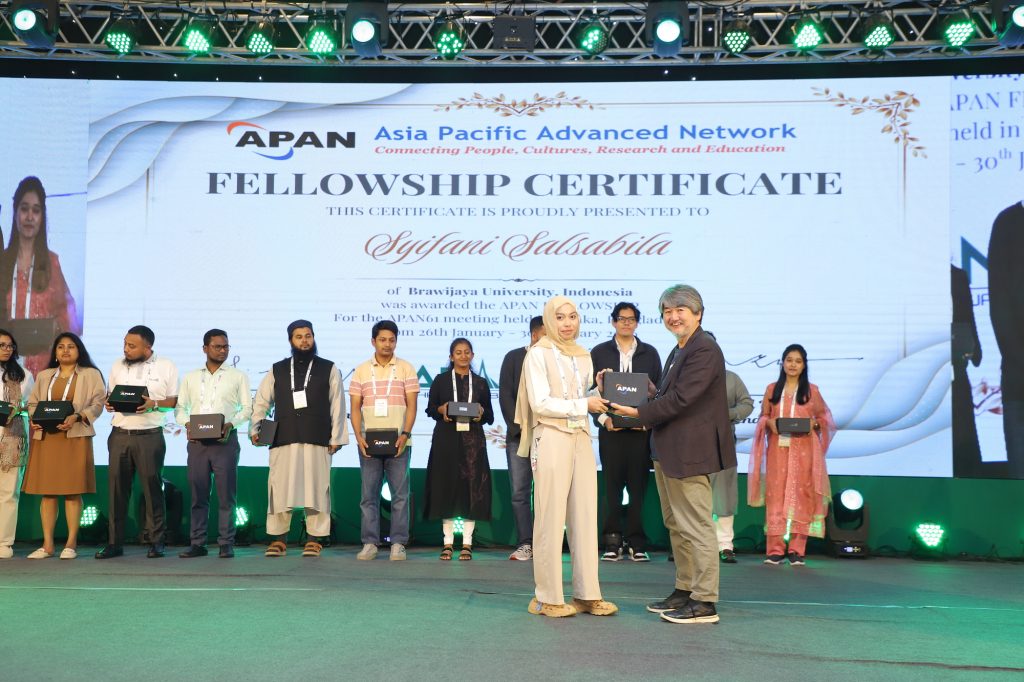
Stepping into APAN61 as a fellowship awardee was a bit of a perspective shift for me. Going in, I expected a series of technical presentations; what I found instead was a “living ecosystem.” It’s a community built on the kind of long-term trust and collaboration that you just don’t see in a typical corporate setting.
I spent a lot of time in the various workshops like Securing the Digital Campus Workshop (By BDREN & HEAT), or You Choose What to Learn in Security, and more. Where I started to see how APAN actually functions as the “connective tissue” for National Research and Education Networks (NRENs) across the Asia-Pacific. The real magic, I realized, happens in the Working Groups (WGs)—that’s where the work continues long after the physical meeting ends.
Discovering the Security Working Group
Among all working groups, I was particularly drawn to the Security Working Group (Security WG). My initial interest started from technical discussions on cybersecurity research, including honeynet systems and applied security topics. Through these discussions, I was encouraged to engage directly with the Security WG leadership to better understand how the group operates.
By shadowing the Security WG sessions and engaging directly with Shankar Karuppayah, the Co-Chair (currently becoming the new Chair). He gave me the “behind-the-scenes” look at the group’s history—it’s been around since 2011 and has a massive research foundation. But he was also very candid about the challenges: because they only meet twice a year, there’s a real need for more “always-on” engagement. There is a growing need for more continuous, always-on engagement through online and distributed activities to keep the momentum alive beyond conferences. He also emphasized that young contributors and students play a crucial role in the long-term sustainability of the group, not only as participants but as future leaders who can bring fresh perspectives and energy into the Security WG.
What struck me most was that APAN is truly bottom-up. There isn’t a rigid hierarchy telling you what to do; if you have an idea and the drive to see it through, you can make it happen. As a student, that felt incredibly empowering. It got me thinking about how I could help bridge the gap, whether it’s:
- Assisting in organizing online Capture The Flag (CTF) competitions across countries.
- Supporting remote security training and experimental platforms.
- Helping establish communication channels such as Slack or community forums.
- Supporting outreach through mailing lists and social media to engage more students.
- Participating in collaborative proposals for APAN-funded activities.
I also had a chance to dive into the technical side with Jamie Gillespie. We talked about honeynets and real-world security challenges, which helped me see the bridge between my academic research and the actual problems professionals are solving in the field.
Leadership, Inclusion, and the Bigger Picture
I also learned a lot just by watching the APAN leadership and local hosts. It made me realize that keeping a massive international network running isn’t just about code—it’s about logistics, diplomacy, and constant communication.
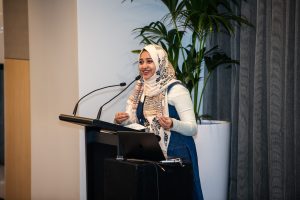
However, the most impactful moment of the entire week wasn’t technical at all. It was the keynote by Farah Kabir, Country Director of ActionAid Bangladesh, on women empowerment in economically disadvantaged countries in the Asia–Pacific region.
As a woman pursuing a career in network and security—a field where we are still very much the minority—her words hit home. She spoke about the structural barriers that still hold women back, even after they’ve gotten their education. It made me look at our own technical communities through a different lens. Inclusion isn’t just about “opening the door”; it’s about building an environment where diverse voices are actually supported and heard.
Leaving APAN61, I don’t just feel like I attended a conference. I feel like I found a community where I can actually contribute and grow.
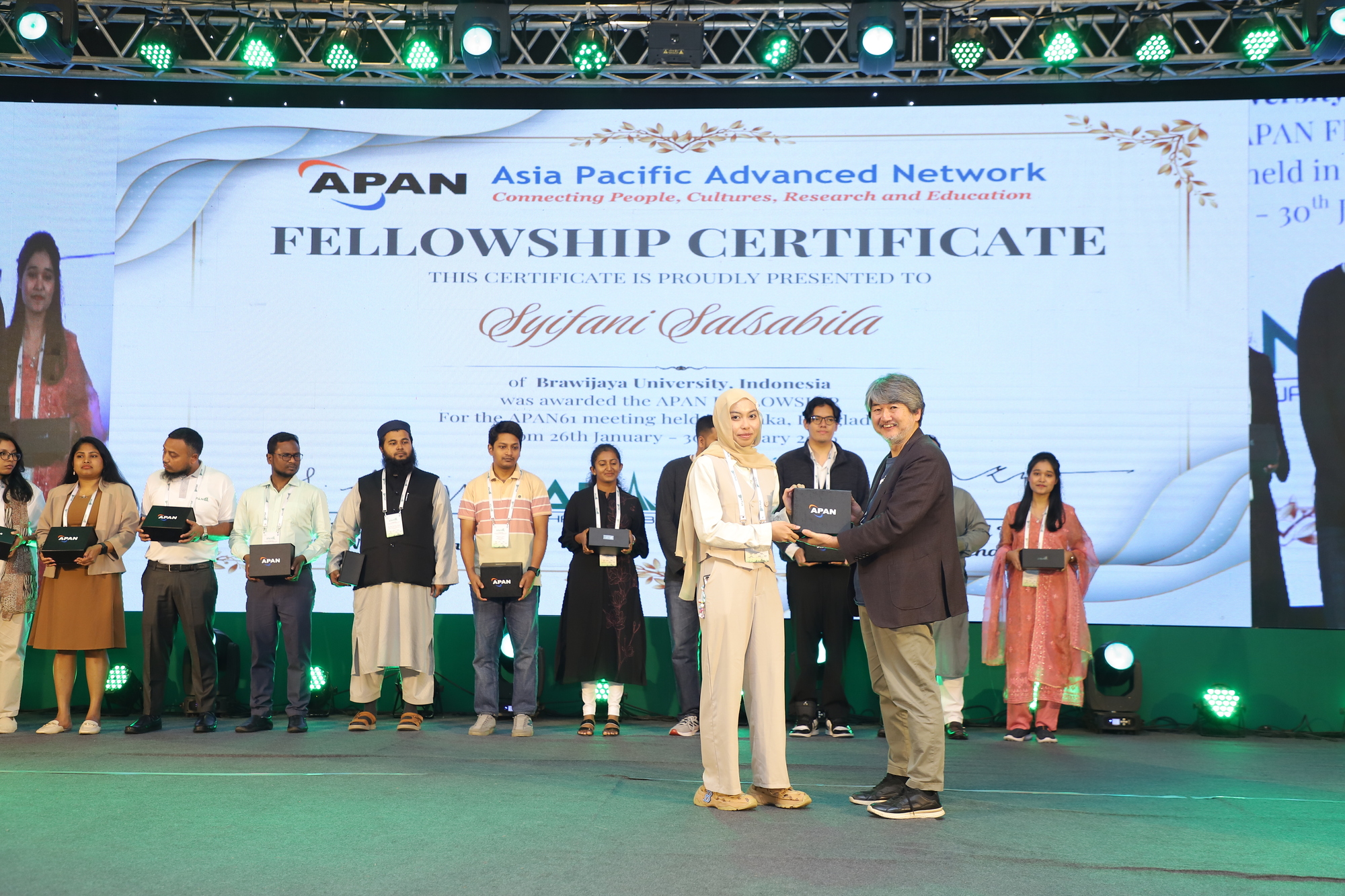
Author: Syifani Adillah Salsabila, Brawijaya University