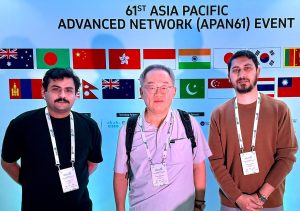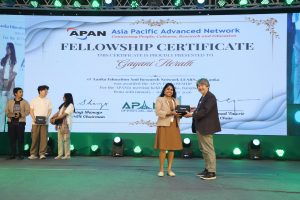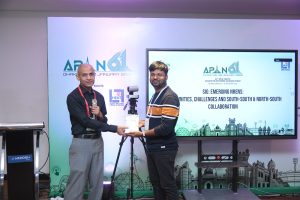
Attending APAN61 was one of the best conference experiences I have had. From the moment I arrived, everything from conference participation to logistics management was handled extremely well by the organizing team. The organizers were consistently helpful, approachable, and supportive throughout the event, which made the entire experience smooth and enjoyable.
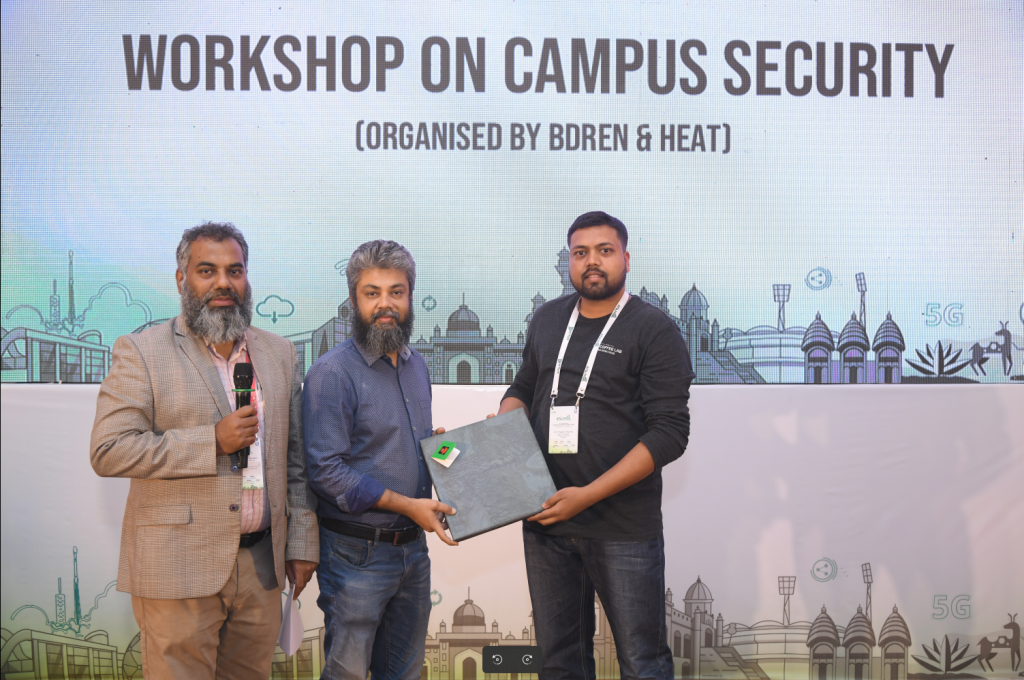
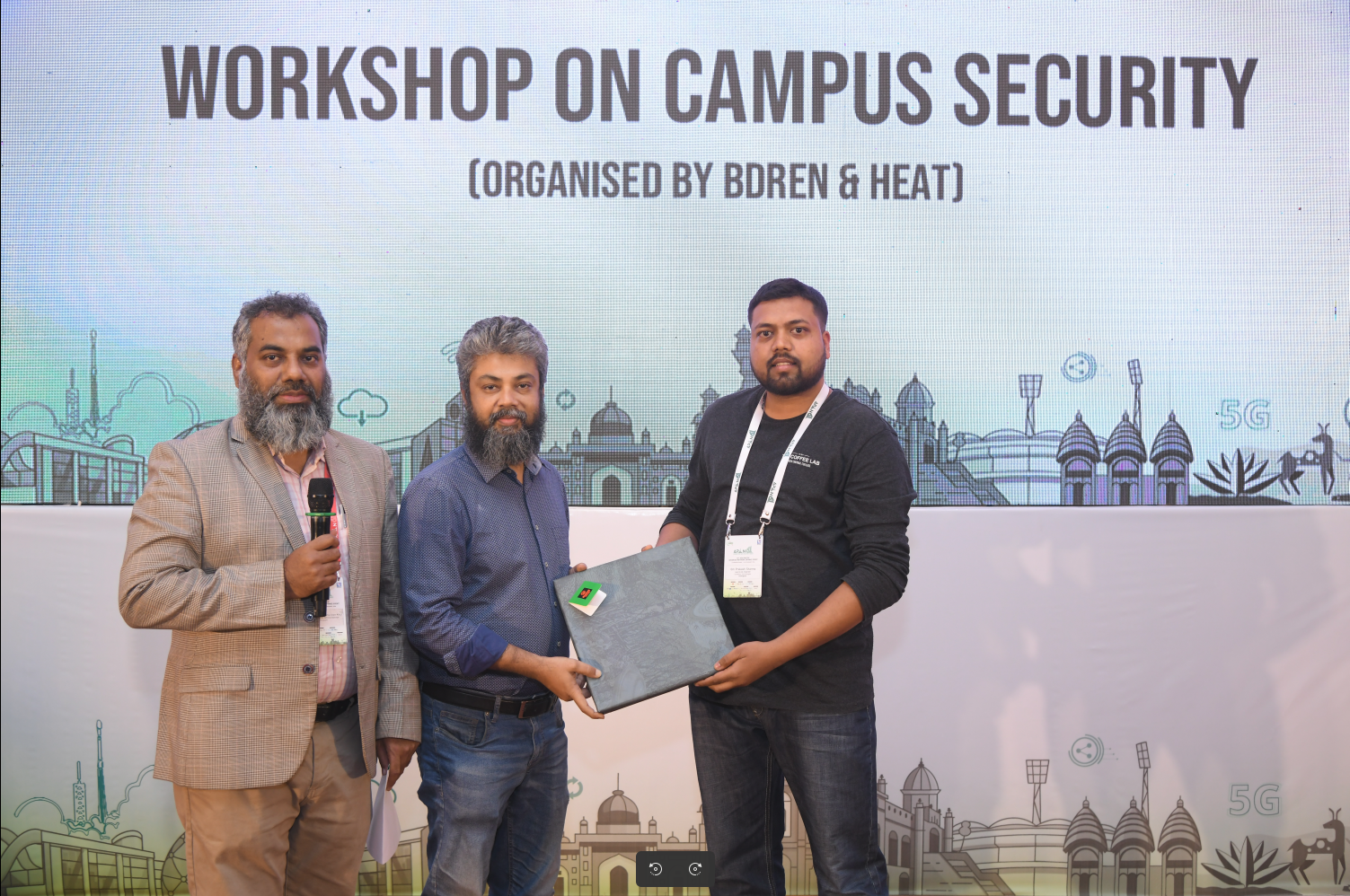
One of the most valuable parts of the conference for me was attending the Security Workshop. The sessions were highly informative and practical. I had the opportunity to learn a great deal about technical aspects of cybersecurity, particularly in web penetration testing and web security practices. The workshop provided hands-on insights and discussions that deepened my understanding of modern security challenges and techniques.
In addition to attending sessions, I also had the opportunity to deliver a session on DNSSEC. The participants showed strong interest in the topic and were eager to learn more about DNS security and its practical implementation. What I particularly appreciated was how the discussions extended beyond the formal session. Many participants continued conversations during coffee breaks and informal networking moments, asking questions and sharing their own experiences. These informal discussions added great value to the session and created meaningful exchanges of ideas.
Overall, APAN61 provided an excellent platform for learning, collaboration, and networking with professionals working in networking and security across the region.
During APAN61, I had the opportunity to spend time with Jamie Gillespie, the Chair of the Security Working Group (Security WG). Observing and interacting with Jamie gave me deeper insights into how the Security WG operates and how the community around it has evolved over time.
The Security Working Group has grown significantly in recent years, attracting increasing interest from the APAN community. One of Jamie’s observations was that interactive sessions such as “You Choose What to Learn in Security” are gaining strong traction among participants. These types of sessions allow attendees to influence the topics discussed, making them more engaging and relevant. According to Jamie, participants particularly enjoy this format because it encourages active involvement rather than passive listening.
Another important insight I gained from Jamie was about the multidimensional nature of security. Security is not limited to a single domain it spans infrastructure, applications, policy, operational practices, and human behavior. Because of this complexity, discussions around security need to involve diverse perspectives and expertise.
However, Jamie also shared a key concern about reaching the right audience. While representatives from National Research and Education Networks (NRENs) often attend Security WG sessions, the individuals attending are not always the technical experts who work directly on security systems. Many times, managerial or administrative representatives participate instead of the security leads, system engineers, or technical engineers who could benefit most from these discussions.
This gap in participation means that the technical insights and best practices shared in the sessions do not always reach the people responsible for implementing them. According to Jamie, improving outreach to the right technical audience within NRENs is something that needs more attention in the future.
Tagging along with Jamie allowed me to better understand both the progress made by the Security WG and the challenges that still need to be addressed in strengthening the security community within APAN.
Author: Om Prakash Sharma, acAIberry Technologies