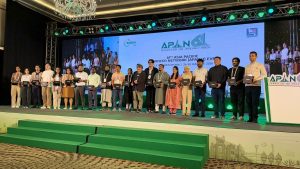
Stepping up to the registration desk at APAN62 at the Grand Millennium Hotel in Auckland and looking for my name tag, I had a sudden moment of reflection. Finding my name tag brought back vivid memories of managing that very same registration desk when we hosted APAN56 back home in Sri Lanka. Looking back at how many different hats I have worn across these APAN meetings, I realised just how far this journey has taken me.
That journey actually began back at APAN56 on home ground. As part of the Local Organising Committee, I was handling event logistics, registrations, and day-to-day operations. Among all those busy responsibilities, one project I still deeply cherish was working on NEXUS, which was the very first printed magazine for the APAN community. As one of the editors for the magazine, I had the opportunity to interview community leaders and gather their stories. Listening and reading about their experiences opened my eyes completely. I realised right then that research and education networks are not just about fibre cables, bandwidth, or routers. They are built on people, trust, and shared purpose.
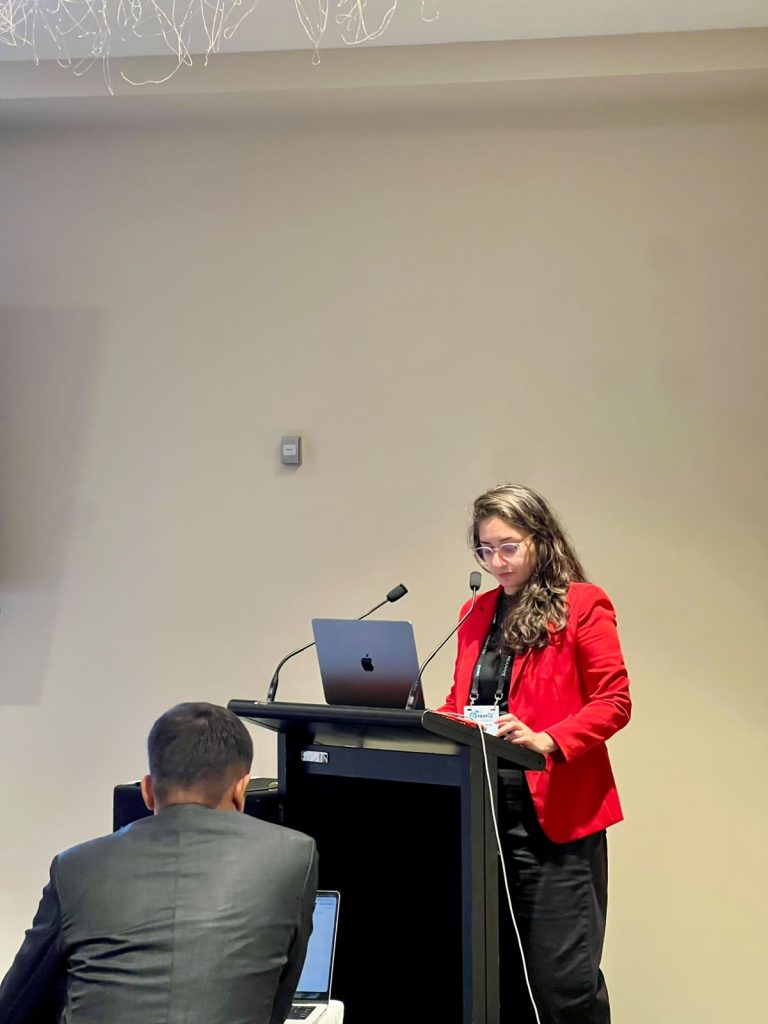
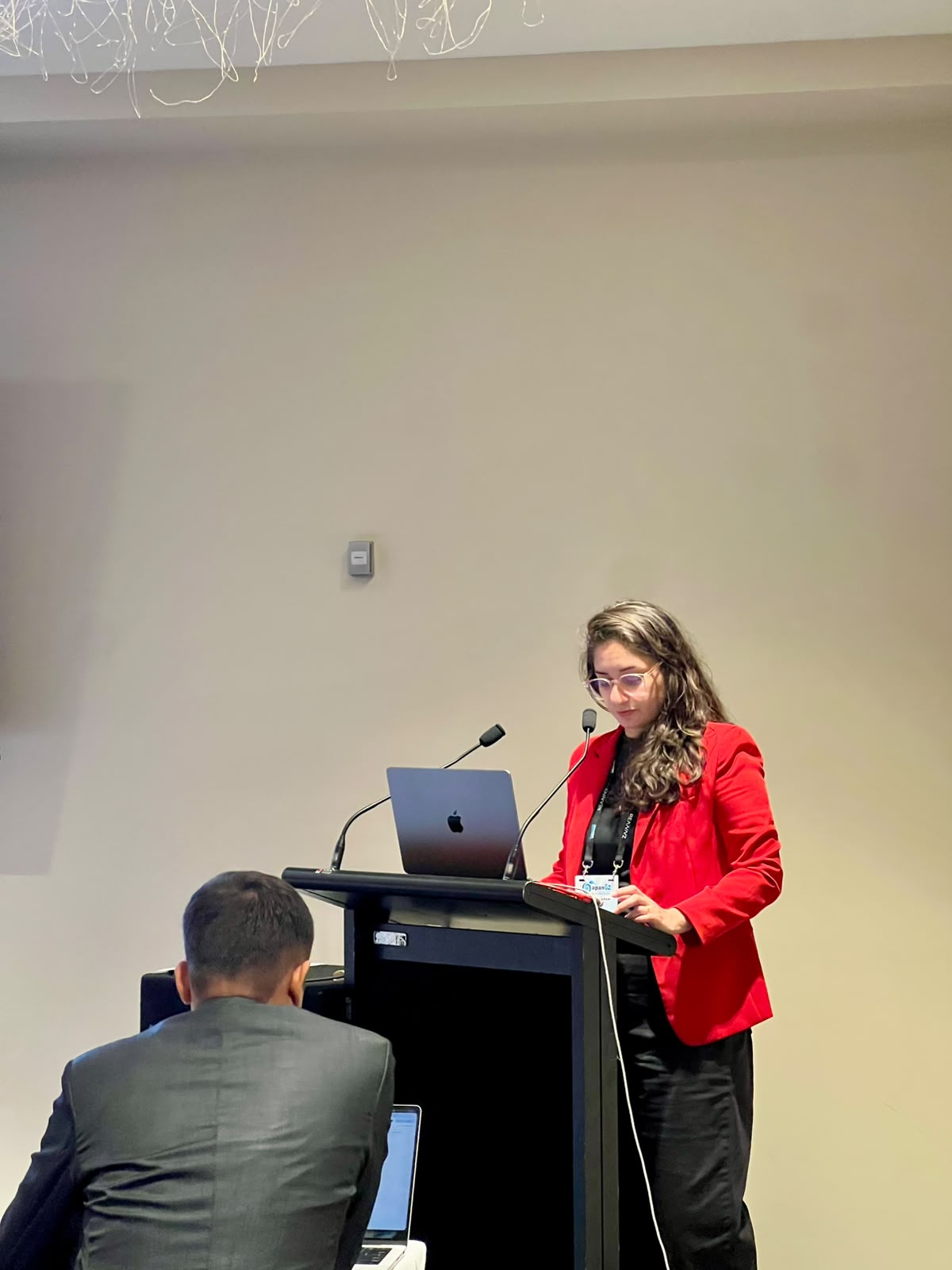
Since then, each APAN meeting became a natural next step for me. By APAN59, things really expanded. I stepped into capacity building as a trainer under the AP-GAINED project. During that very same meeting, I also joined as a panellist for the first-ever SIG-Internet Governance session. That initial step with SIG-IG grew over the years, eventually leading to me co-chairing the session at APAN62.
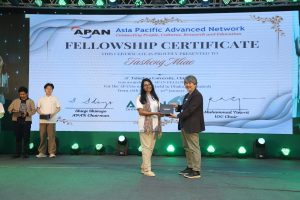
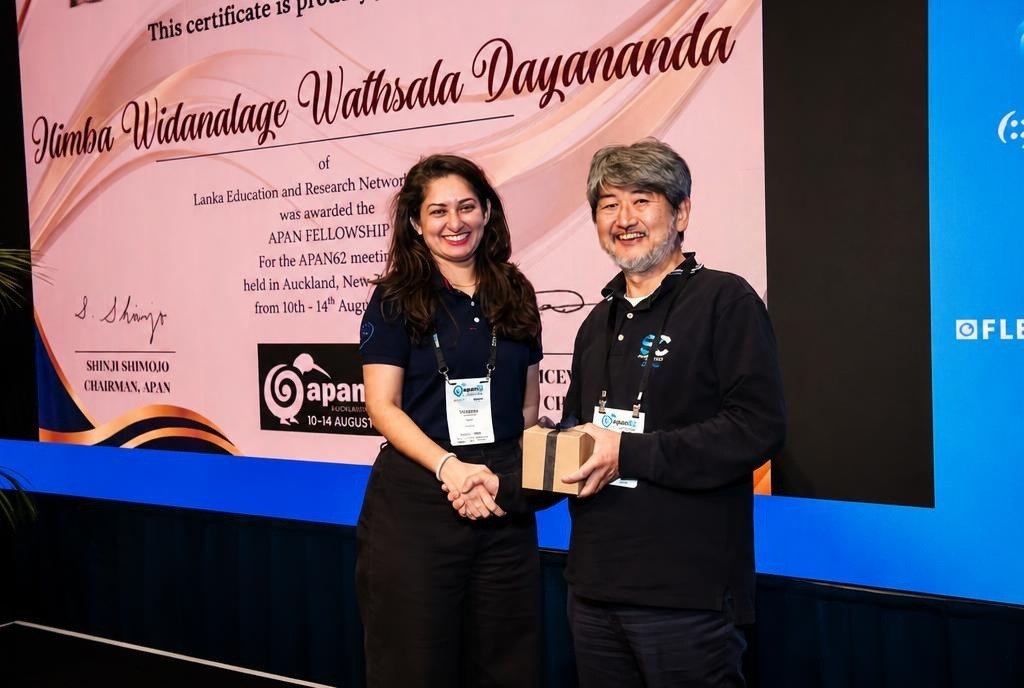
So, APAN62 in Auckland was already a huge personal milestone. But attending for the very first time as an APAN Fellow added a completely new dimension to the experience.
The biggest highlight of this fellowship was definitely the newly launched APAN Future Leaders Programme. Being part of the first-ever cohort of fellows in this initiative was a real privilege. The goal of the programme is simple but powerful. It gives emerging leaders a front-row seat to see what it actually takes to run an APAN Working Group behind the scenes.
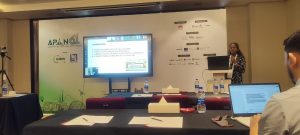
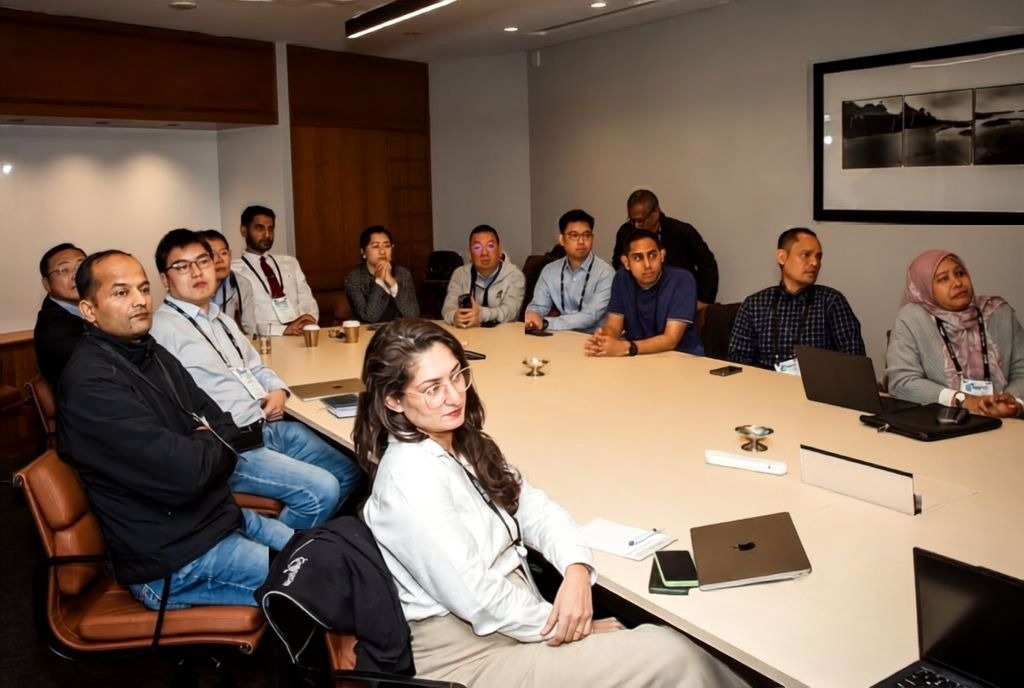
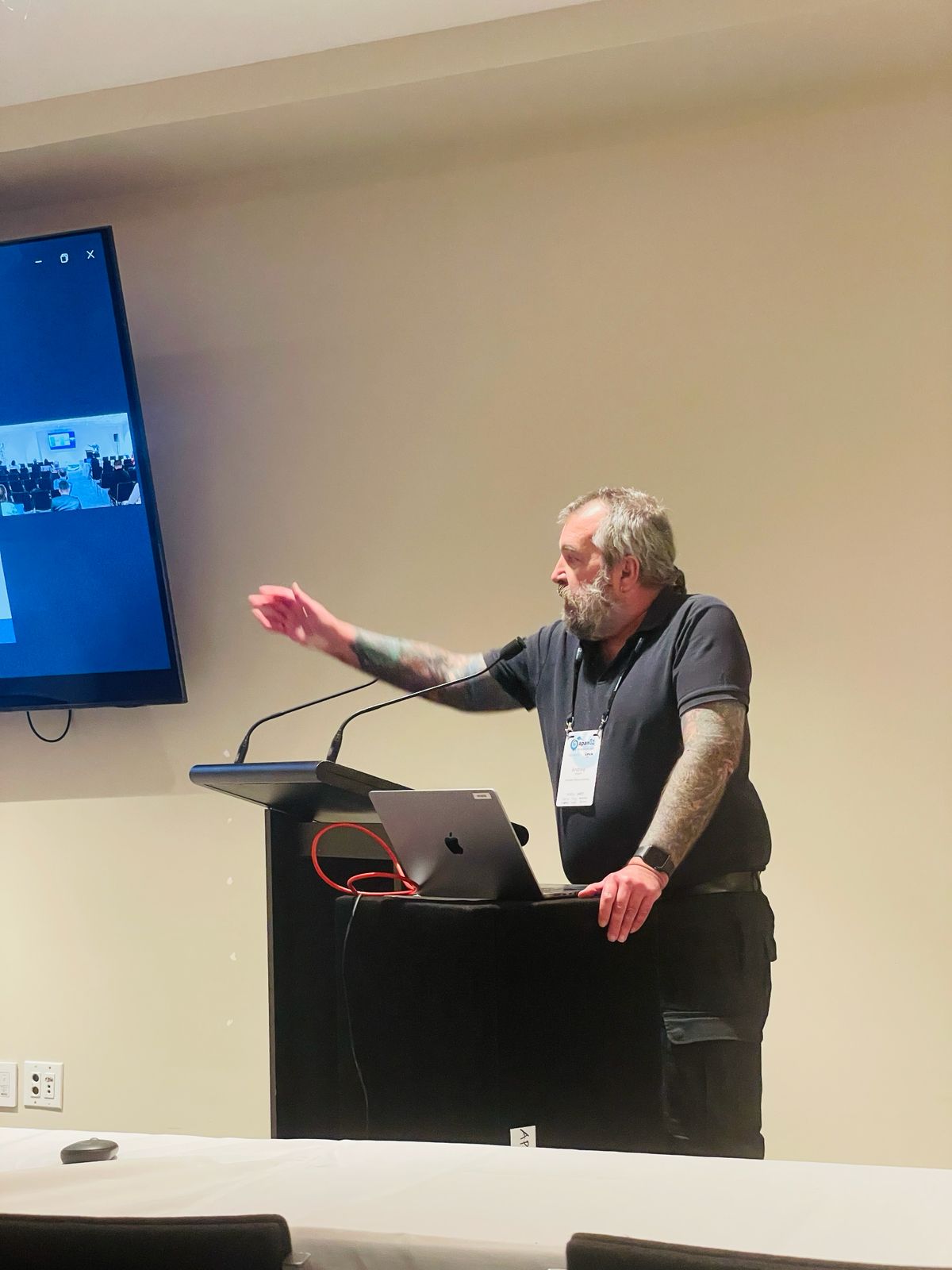
For my shadowing assignment, I was placed with the E-Culture Working Group, led by Fawad Raza and Andrew Howard. I attended their main session, watched how they managed the room, and later sat down with Andrew for a real, candid conversation about what session leadership looks like in practice.
That conversation with Andrew gave me some of the most practical insights I have ever received about community governance.
One thing that immediately struck me was how Andrew talked about working with humanities, arts, and social science faculties. He pointed out that these departments are usually the least funded when it comes to international travel. Because of that, providing reliable remote participation is critical. He shared how speakers from different corners of the world were joining live at 3:00 AM or 4:00 AM local time just because APAN gave them an international platform they rarely get elsewhere.
To manage that reality, the chairs use Zoom infrastructure to let speakers pre-record presentations ahead of time. It keeps the agenda flexible and guarantees that valuable work gets shared even if real-time connectivity or time zone clashes get tricky.
Andrew also shared a bit of humorous, grounded advice that stayed with me. He said that if you can manage a classroom, you can manage a working group session. It comes down to keeping people on schedule, doing the background preparation, knowing your speakers, and adjusting when unexpected things happen.
He was so honest about the hard parts too. At APAN62, they were co-ordinating speakers across 11 different time zones. Speakers had flight delays or sudden changes, and sometimes you just have to make pragmatic decisions on the fly. You have to accept that you cannot always make every single request work, and that being a good leader means handling those situations with clarity and respect.
Sitting there talking to Andrew made me realise something fundamental. Even among hardcore network engineers and tech experts, there is a genuine desire to protect culture, history, and human connection. True leadership in our regional community is about creating sensitive, inclusive spaces where living heritage can be preserved with both cultural care and scientific rigour.
Beyond the leadership programme, the fellowship allowed me to dive into daily technical and policy tracks, make wonderful new connections, reconnect with long-time friends, and experience the warm culture of New Zealand.
Looking back at where I started, managing registrations and helping edit community stories at APAN56, and now learning how to guide regional working groups at APAN62, I feel deeply grateful. A big thank you to the APAN and the entire community for building these pathways for us. Now back at LEARN in Sri Lanka, I am excited to put these lessons into practice and help build the next generation of leadership in our region.
By Wathsala Dayananda | LEARN (Sri Lanka)
Author: Wathsala Dayananda, Lanka Education And Research Network (LEARN)