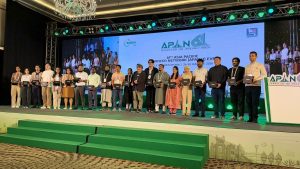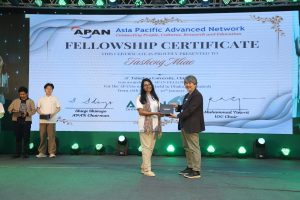
Earlier this month, I had the privilege of attending APAN 62 in Auckland, New Zealand, as a Fellow — presenting to two working groups, shadowing the Chair of the Security Working Group, and connecting with an incredible community of network engineers, researchers, and educators from across the Asia-Pacific region. Here’s a look back at the week, what I learned, and what I’m bringing home to Bangladesh.
Why I Applied!!
The major objectives of my APAN62 Fellowship were to present technical work and share knowledge with the Security and APRP Working Groups, gain practical experience in working-group leadership by shadowing the Security Working Group Chair, build professional relationships with NREN engineers and researchers across the region, identify tools and practices applicable to Bangladesh’s higher education and research networks, and gain insights into current NREN practices, challenges, gaps, and future initiatives.
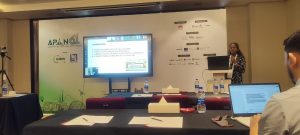
Asia Pacific Research Platform (APRP) Working Group as Session Speaker
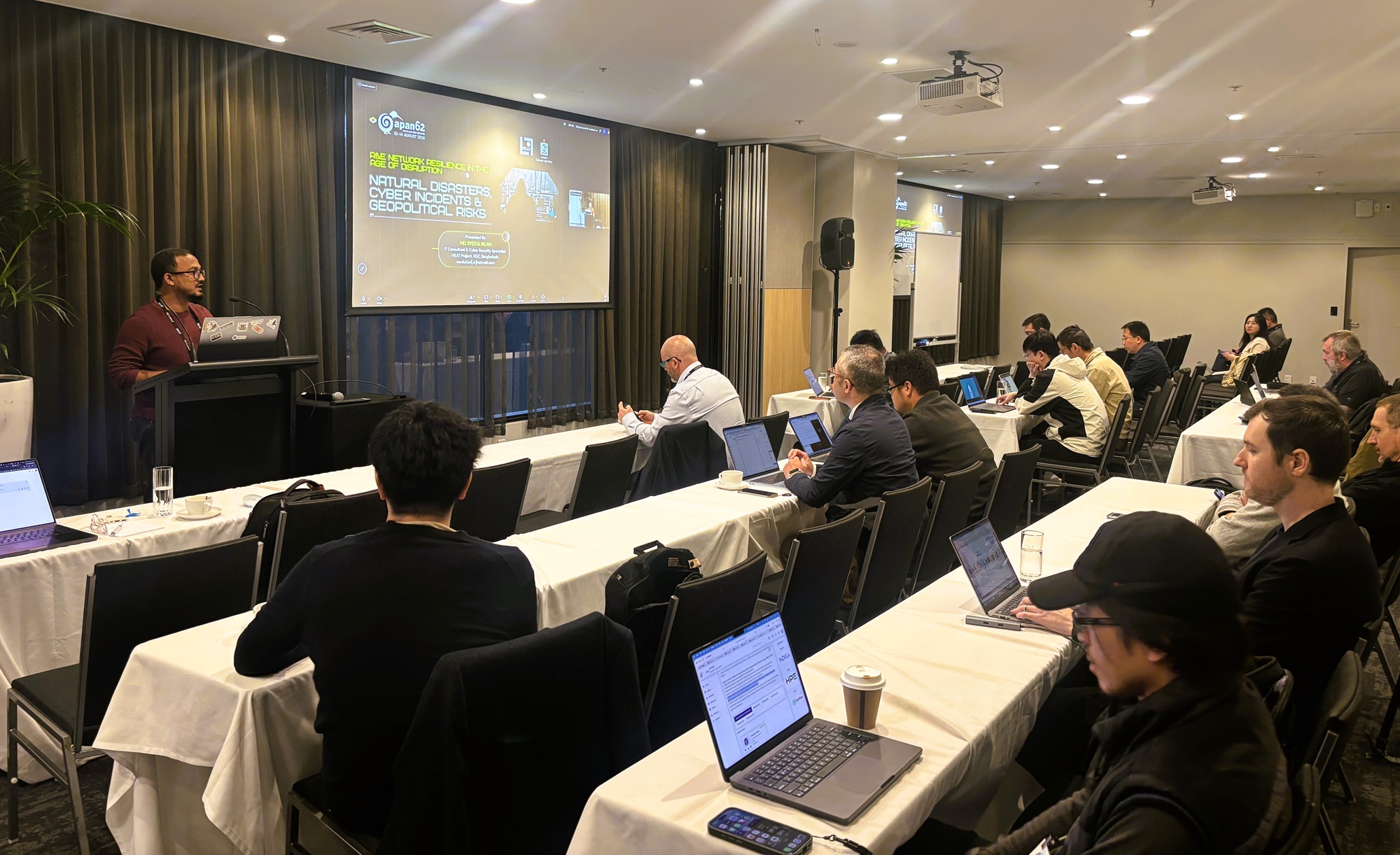
Title: R&E Network Resilience in the Age of Disruption: Natural Disasters, Cyber Incidents & Geopolitical Risks | Date & Time: 12 Aug, 2026, 09:00-10:30 | Attendance: 14+ participants
This presentation addressed the growing exposure of research and education networks to compounding disruption, natural disasters affecting physical infrastructure and submarine cable paths, cyber incidents targeting research and higher-education institutions, and geopolitical risk affecting cross-border connectivity and data governance. The session framed resilience as a shared regional responsibility rather than a per-institution problem, given how tightly R&E networks in the Asia-Pacific are interconnected through shared transit paths, peering relationships, and federated services.
Security Working Group (SWG) as Session Speaker
Title: Balancing Openness and Security in Research & Education Networks | Date & Time: 13 Aug, 2026, 13:30 – 15:00 | Attendance: 12+ participants
The presentation examined the structural tension research and education networks face between remaining open to collaboration and discovery while defending against an increasingly active threat landscape. It argued that openness and security should not be treated as a single dial to be traded off, but as a design question best solved through network segmentation, separating the science data path, the campus/enterprise network, and instrument/IoT segments, so each can receive the security treatment appropriate to its purpose. The talk also covered common failure modes in R&E networks (credential abuse, ransomware, compute hijacking, trust-chain risk), the operational cost of deploying stateful inspection devices in high-throughput science paths, and both technical and governance-side recommendations, and closed with region-specific observations for Asia-Pacific NRENs.
Other Sessions Attended
APAN Introduction & Fellowship Meeting | Data Center Fabric Architecture by NOKIA | Data Center Fabric Architecture by NOKIA | Open Science Collaborative & Resource (OSCR) Working Group | Opening Ceremony | BGPWatch Hands-on Training | BGPWatch Hands-on Training | Asia Pacific Research Platform (APRP) Working Group | Routing Security with RPKI ROV and ASPA (APNIC) | Routing Security with RPKI ROV and ASPA (APNIC) | APAN Conference | Security Working Group | Closing Ceremony & General Assembly
Shadowing the Security Working Group Chair
In addition to presenting, I served as a Shadow Fellow to the Chair of the APAN Security Working Group, gaining practical insight into how a regional technical working group is organized and managed. My responsibilities included supporting session flow and timing, providing technical and logistical assistance, coordinating with speakers, collecting feedback and presentation materials, and helping ensure sessions ran smoothly and on schedule. I also established a WhatsApp group with speakers and interested participants to encourage continued collaboration beyond APAN62. This experience provided valuable understanding of the behind-the-scenes coordination, leadership, communication, and decision-making required to successfully manage a technical working group, knowledge that can be applied to similar initiatives within Bangladesh’s higher education and research networking community.
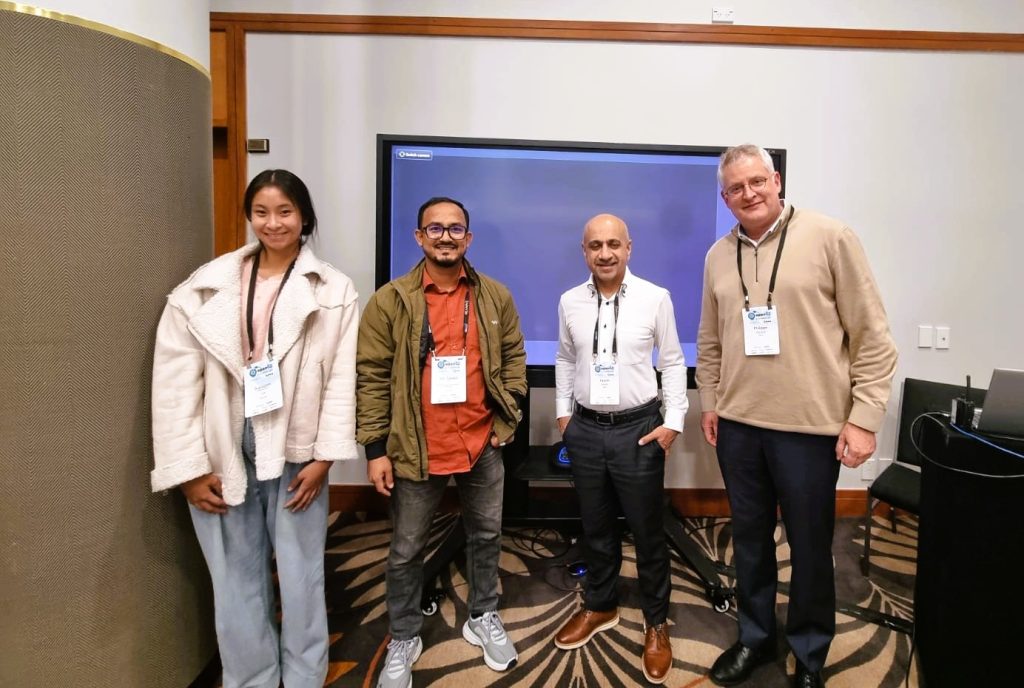
Building Connections
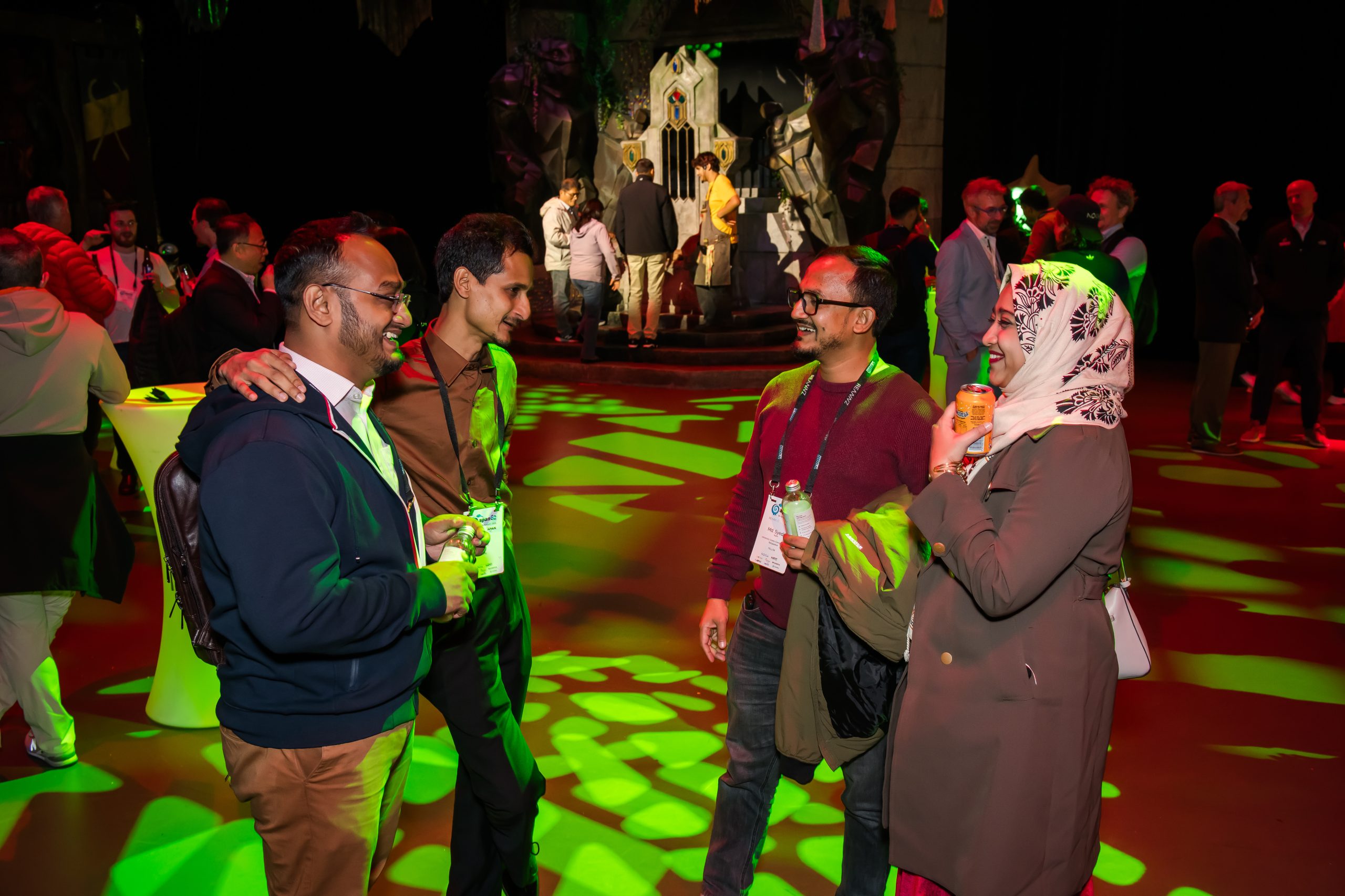
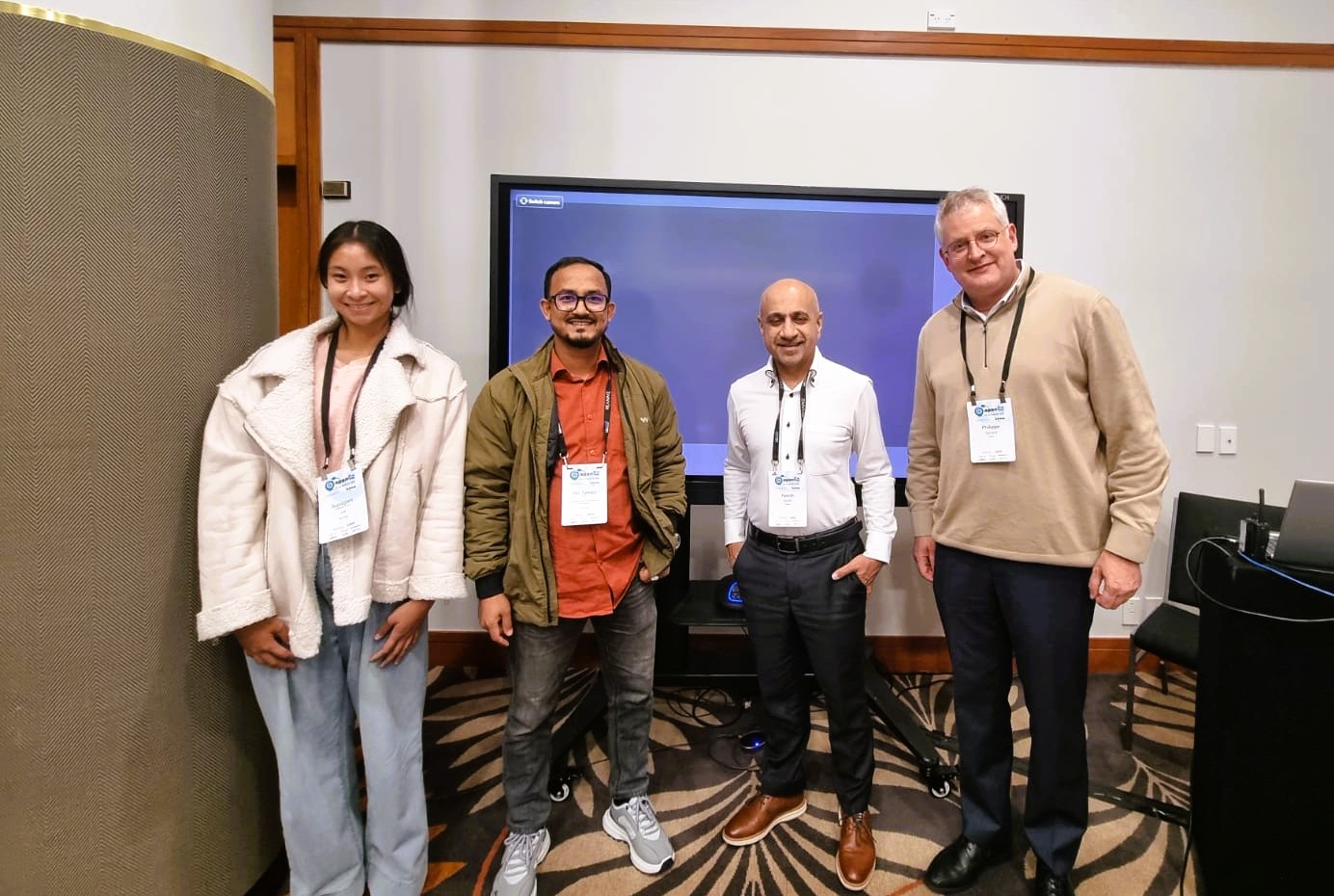
Beyond formal sessions, the fellowship created substantial opportunities for professional networking. My engagement with professors, researchers, and industry professionals from multiple companies and institutions across the region, as well as with fellow APAN Fellows, exchanging insights on ongoing projects and regional priorities. Notable outcomes include:
- Direct discussions with researchers and NREN engineers on current security and resilience practices in their home networks.
- Peer exchange with the full cohort of APAN62 Fellows on respective institutional projects and challenges.
- Access to simulation platform resources obtained from Nokia, which can be used for hands-on training and capacity-building within the research and education network community in Bangladesh.
What I’m Taking Home
During APAN62, I gained valuable insights into APAN’s structure and working groups, modern data center fabric technologies such as leaf-spine, EVPN-VXLAN, and automation, as well as practical experience with BGPWatch for routing security monitoring. I also learned about regional research-platform infrastructure, RPKI-based Route Origin Validation (ROV), and emerging AS Path Authorization (ASPA) practices for preventing route hijacking. The fellowship highlighted the importance of trusted NREN and CSIRT communities for sharing operational knowledge and security alerts, while my shadowing experience provided practical understanding of the coordination, speaker management, timing, and feedback processes required to run a technical working group successfully.
A Few Thoughts for APAN
Based on the objectives of the APAN Fellowship Program and the activities undertaken during APAN62, the following recommendations are proposed to the APAN Secretariat:
- Consider pairing each fellow with a working group chair or mentor before the conference begins, not just during it, so fellows arrive with context on the group’s current priorities and can contribute more meaningfully from day one.
- Create a shared post-conference channel (mailing list or forum) for each fellowship cohort, so fellows can stay in touch with each other and with the working groups they supported after returning home.
- Publish a short “what to expect” guide for shadow fellows specifically, outlining typical responsibilities (as this fellowship experience showed, the role involves really logistical and coordination work that isn’t obvious from the program description alone).
- Encourage working groups to circulate session slides and speaker notes shortly after each session, so fellows and attendees can produce accurate reports without relying purely on memory.
- Where possible, record hands-on technical sessions (BGPWatch training, RPKI/ASPA deployment) so fellows and remote NREN staff who couldn’t attend in person can still benefit from the material.
- Given the strong attendee interest in different sessions, the duration of the session should be more than 15 minutes.
- Continue investing in fellowships for NRENs and member institutions, and consider increasing the number of participants supported. Providing greater financial assistance such as partial or full coverage of airfare and visa fees would enable more professionals to attend and contribute to the community.
The fellowship provided valuable professional development through technical presentations, hands-on exposure to working-group leadership, meaningful regional networking and for the additional honor of serving as a Shadow Fellow to the Chair of the Security Working Group. The knowledge, experience, and relationships gained during APAN62 will support my continued contributions to strengthening research and education networking in Bangladesh.
Author: Md. Syedul Islam, HEAT Project, University Grants Commission of Bangladesh